RCWSS and CFLI Host Workshop to Truth-telling/Relational Dialogue: Empowering Dialogue for Peace in Thailand’s Southern Border Provinces.
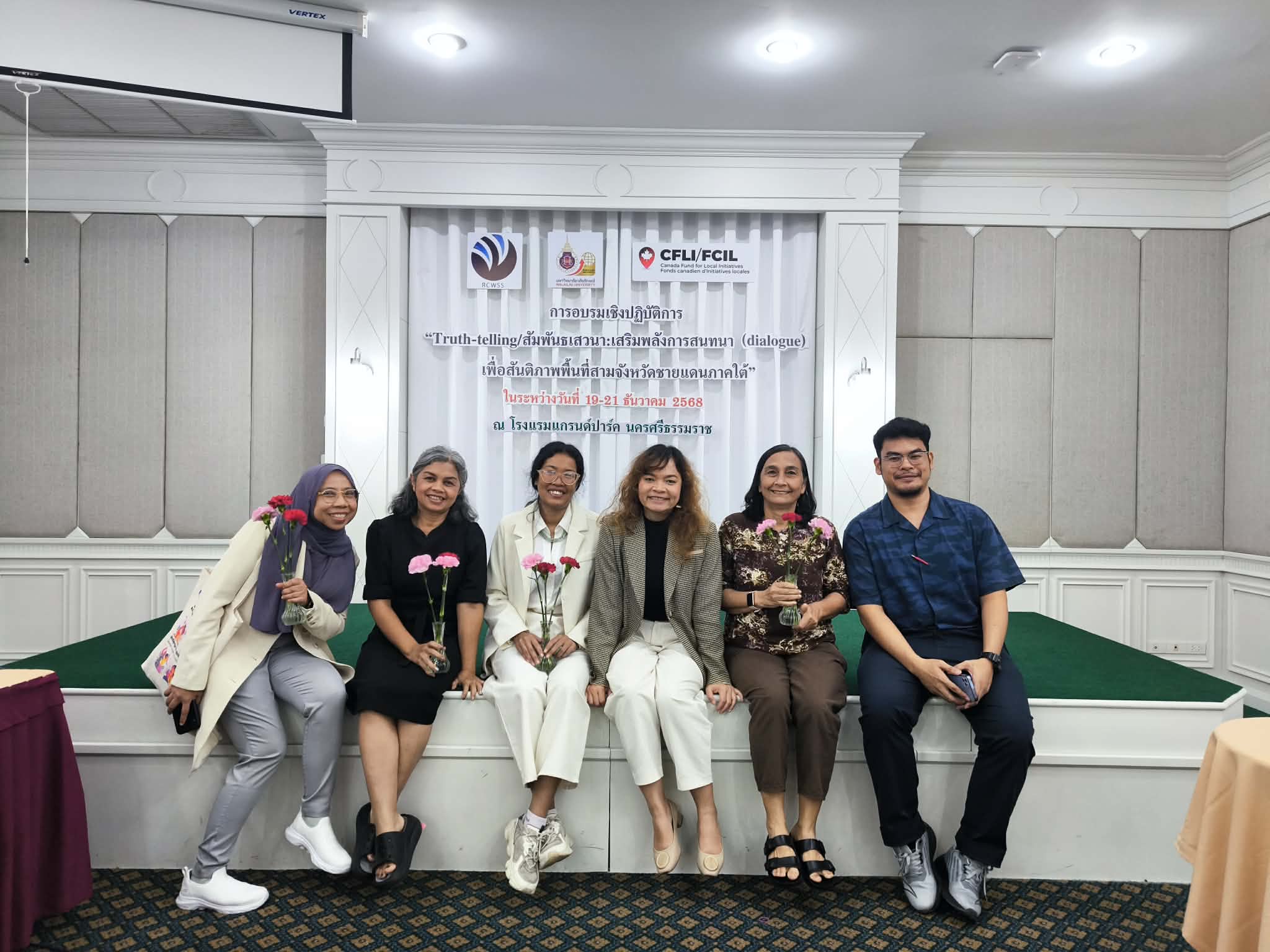
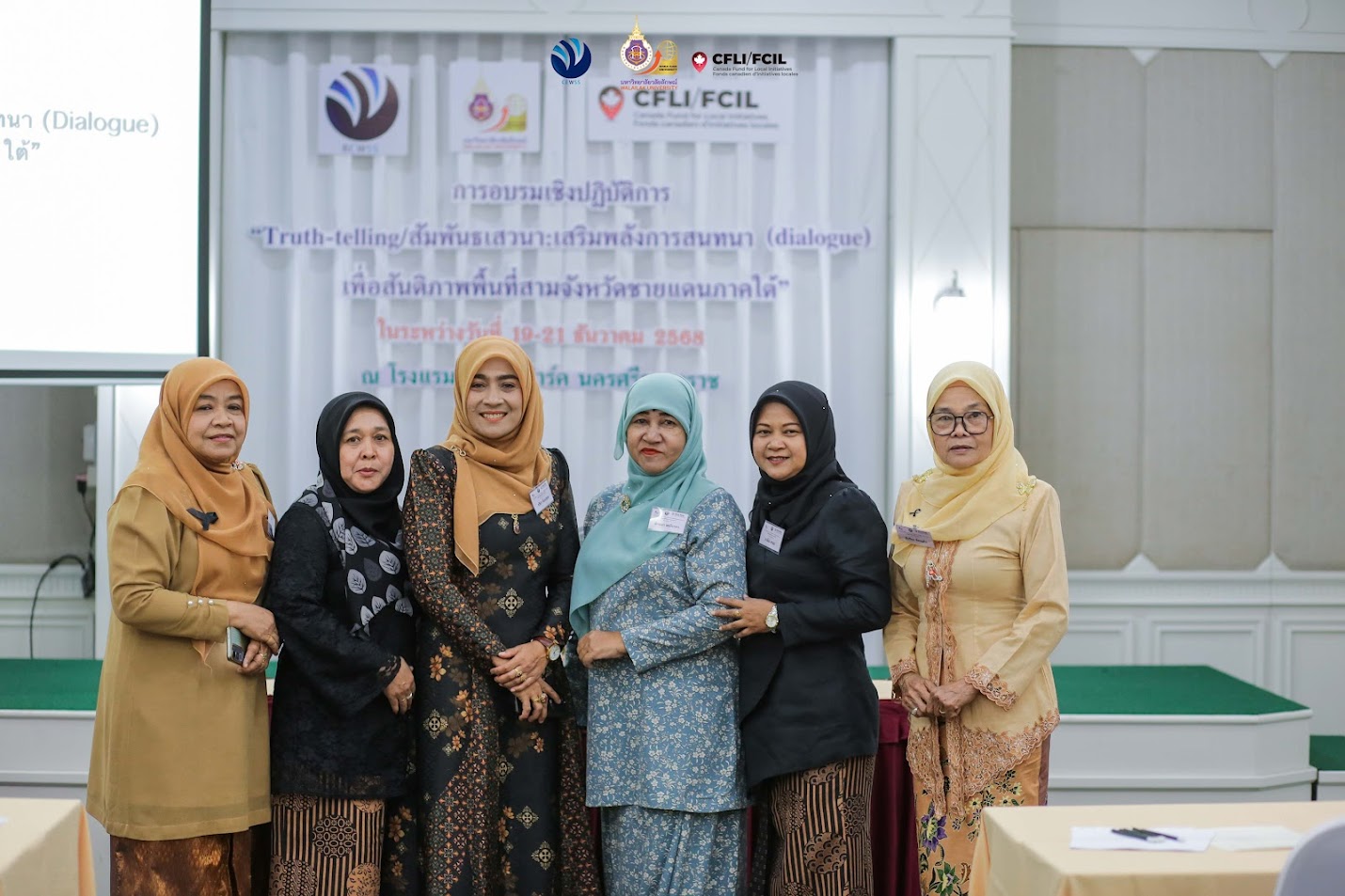
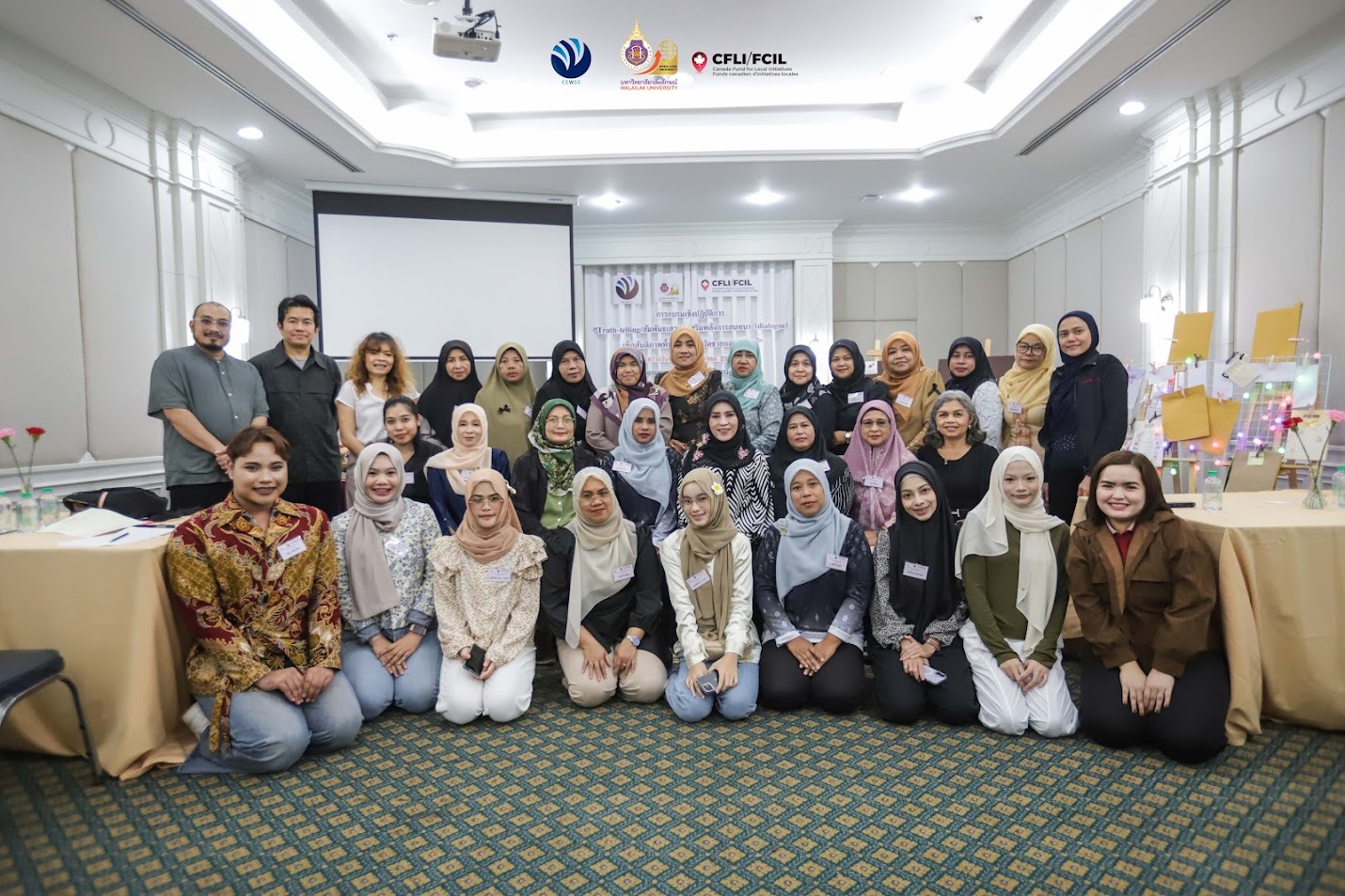
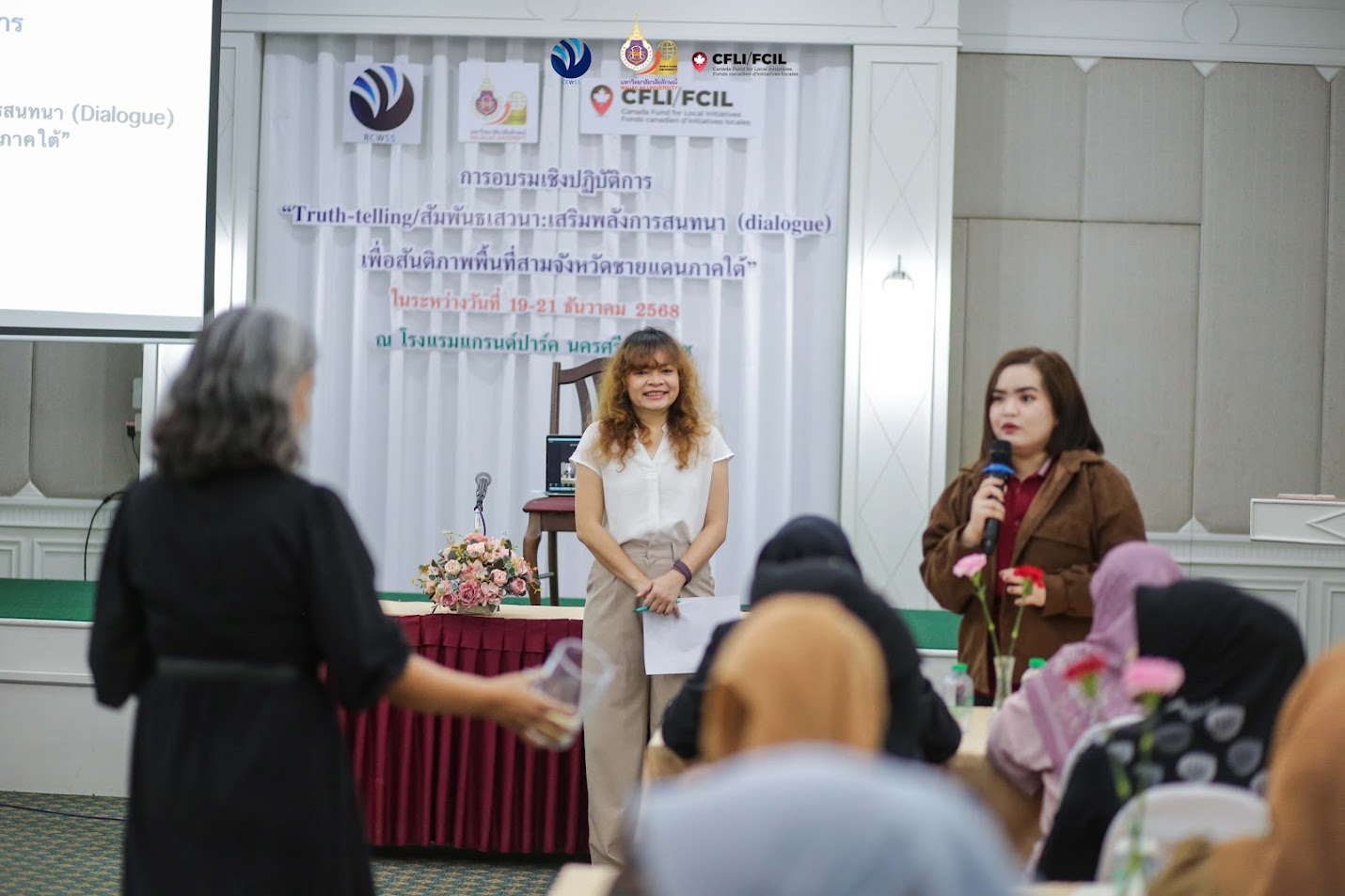
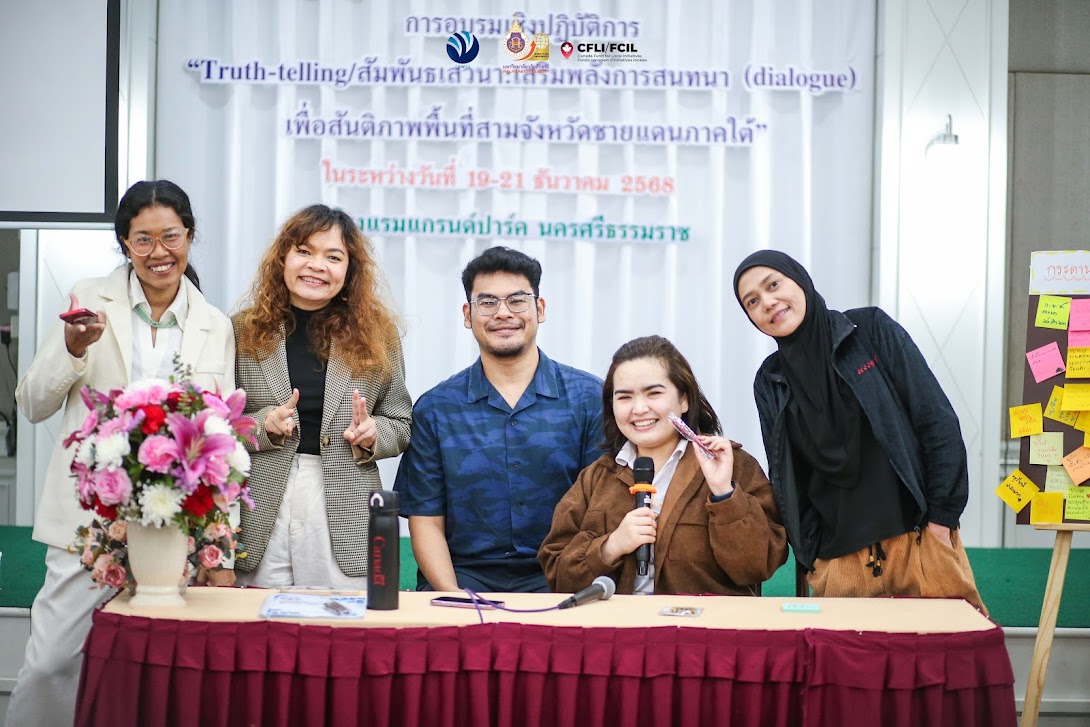
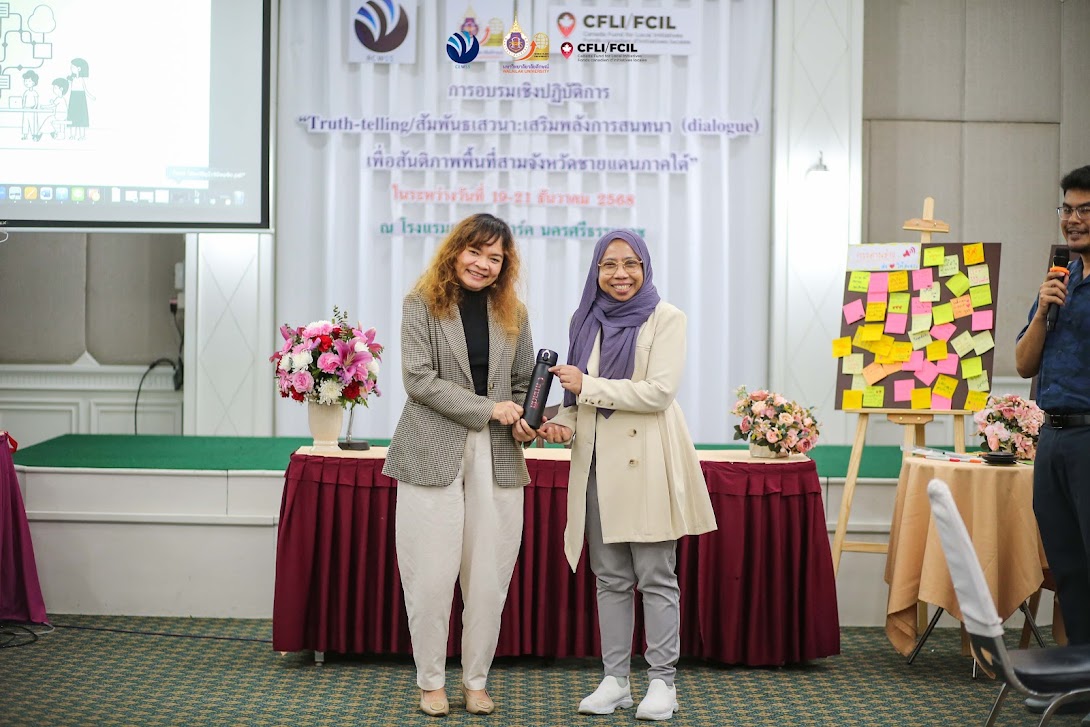
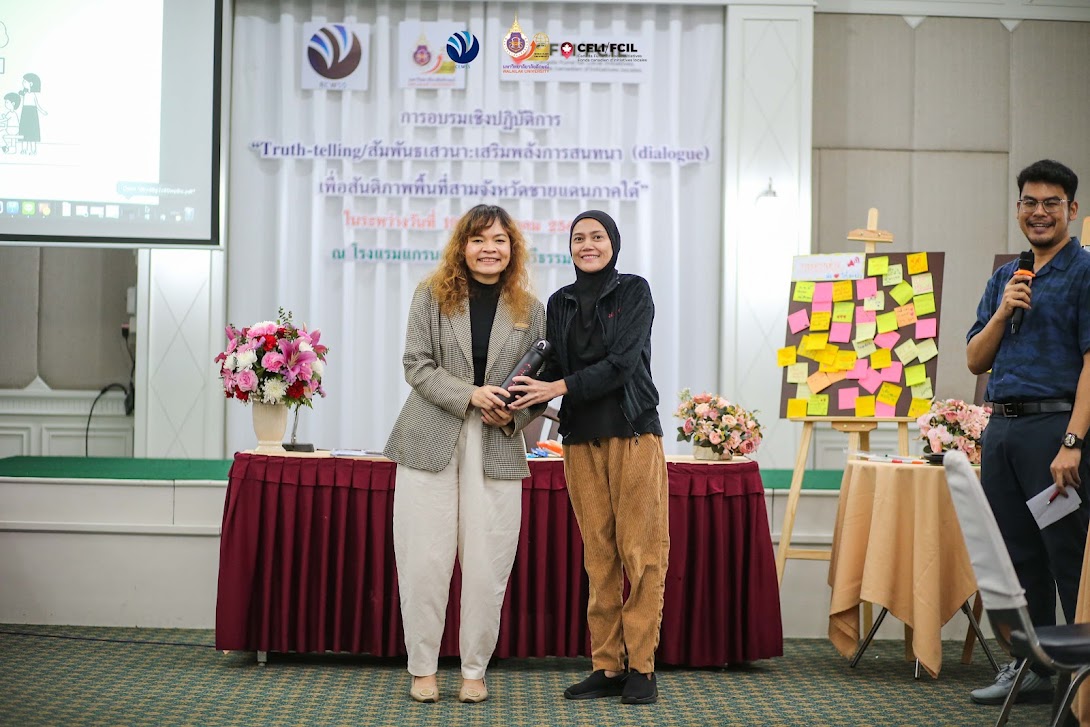
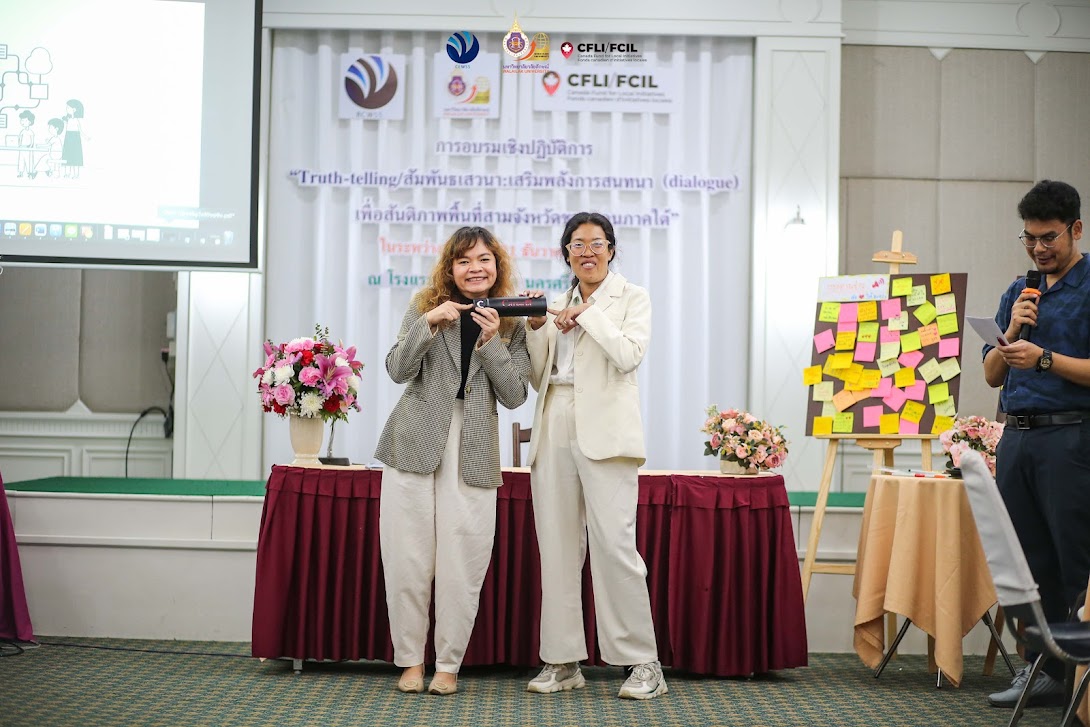
From December 19-21, 2025, the Research Center on Women and Social Security (RCWSS), in collaboration with the Canada Fund for Local Initiatives (CFLI), organized a workshop entitled “Truth-telling/Relational Dialogue: Empowering Dialogue for Peace in Thailand’s Southern Border Provinces.” The workshop was held from December 19–21, 2025 at the Grand Park Hotel, Nakhon Si Thammarat Province.
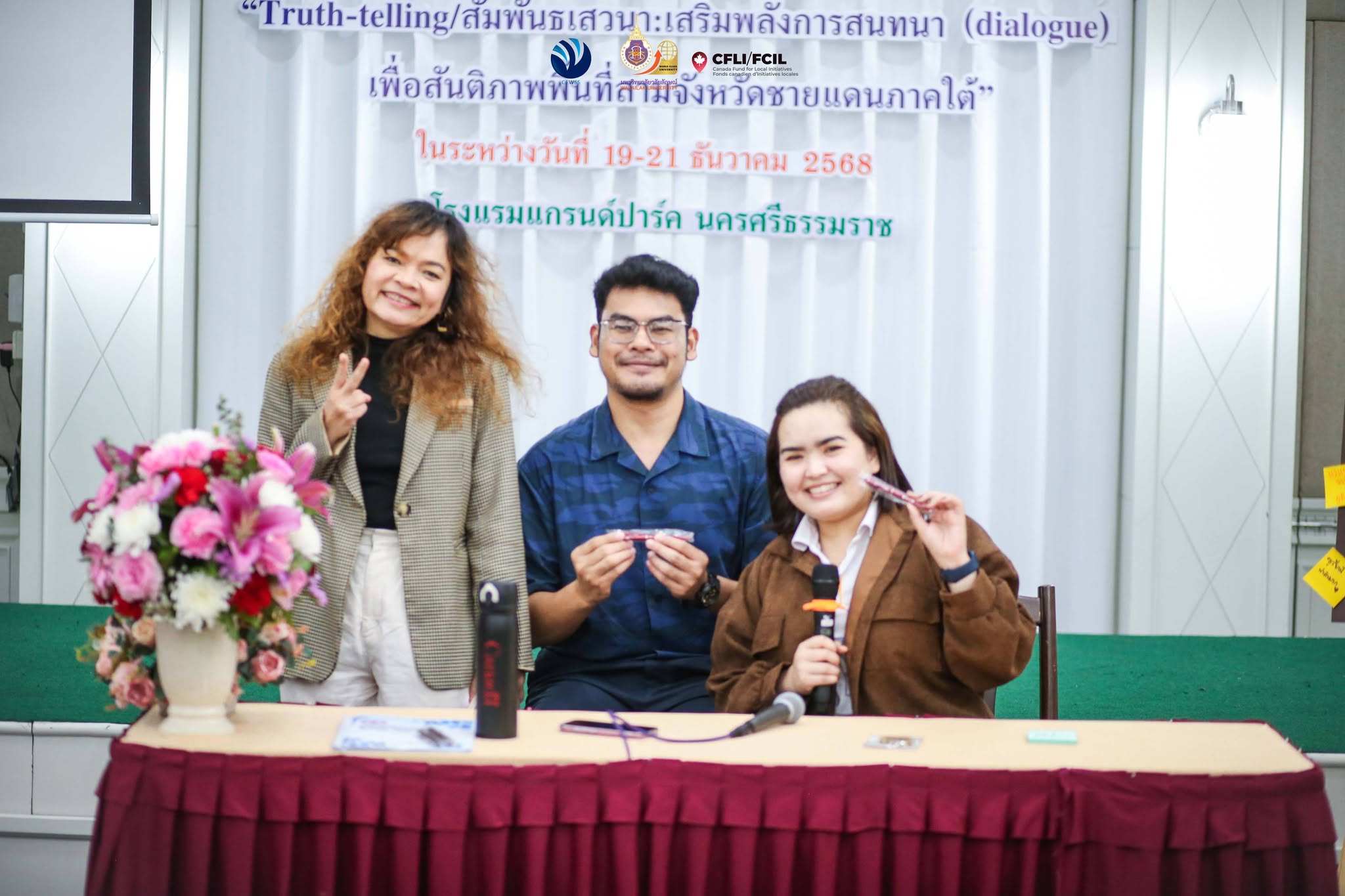
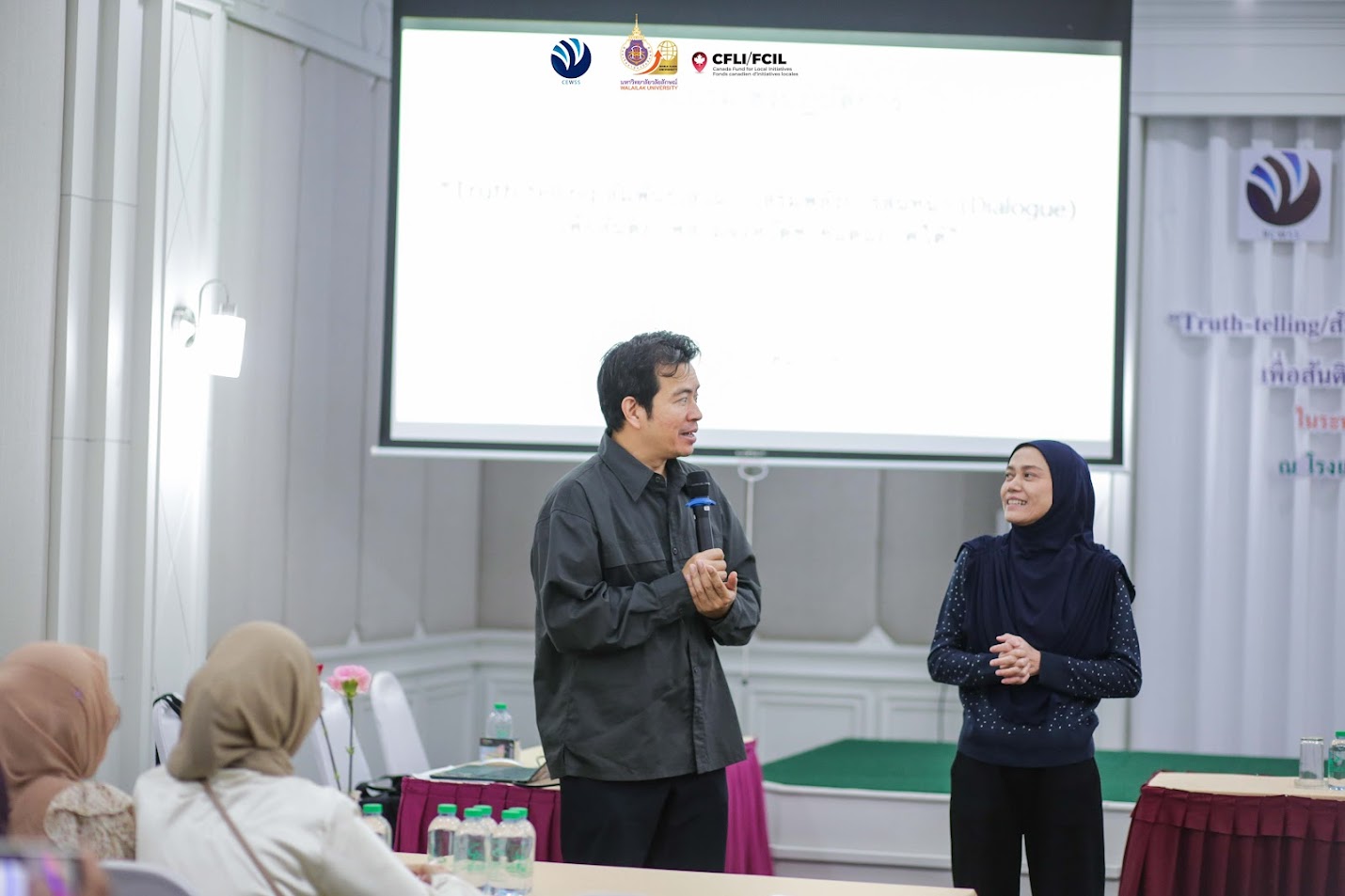
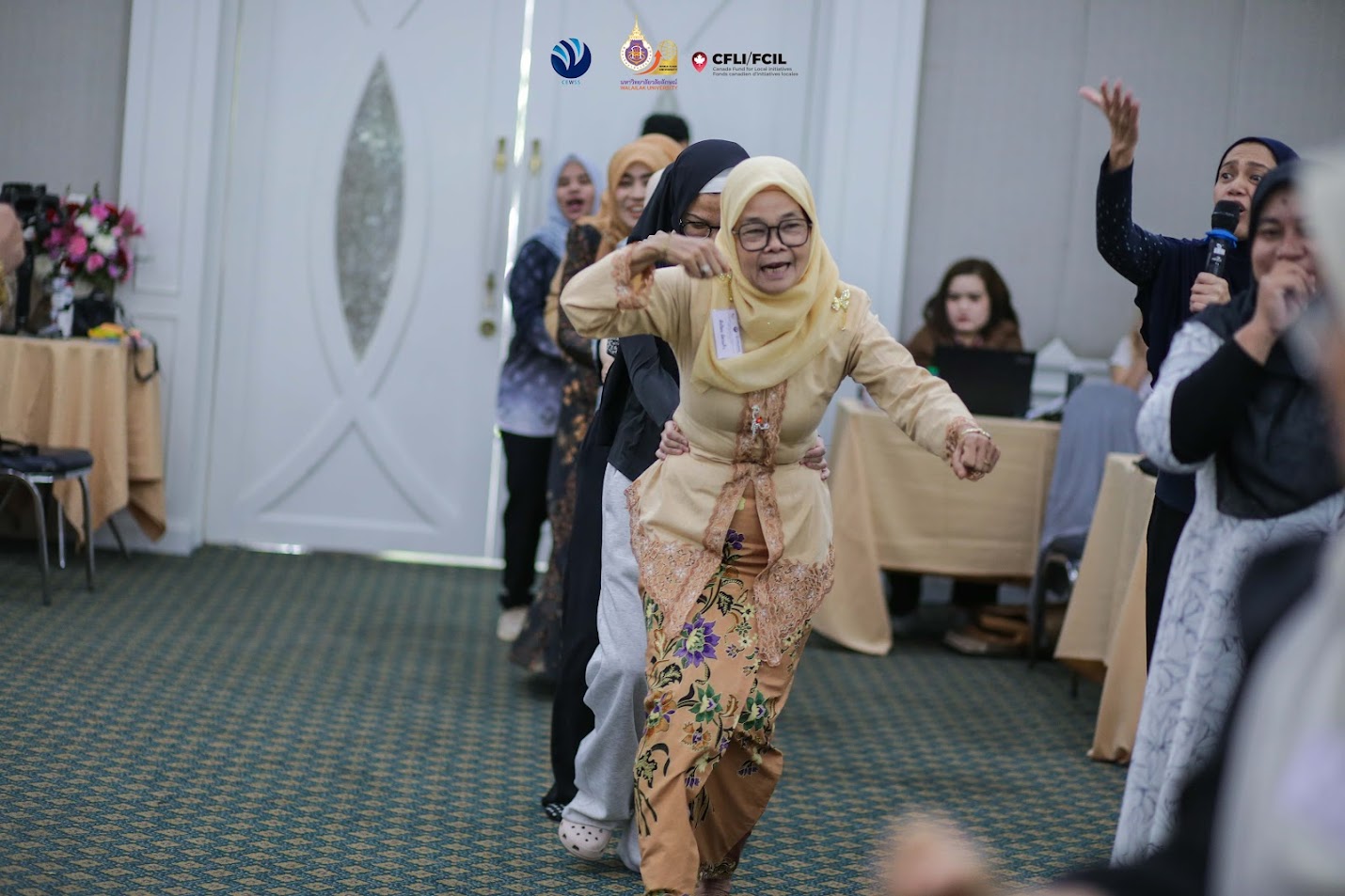
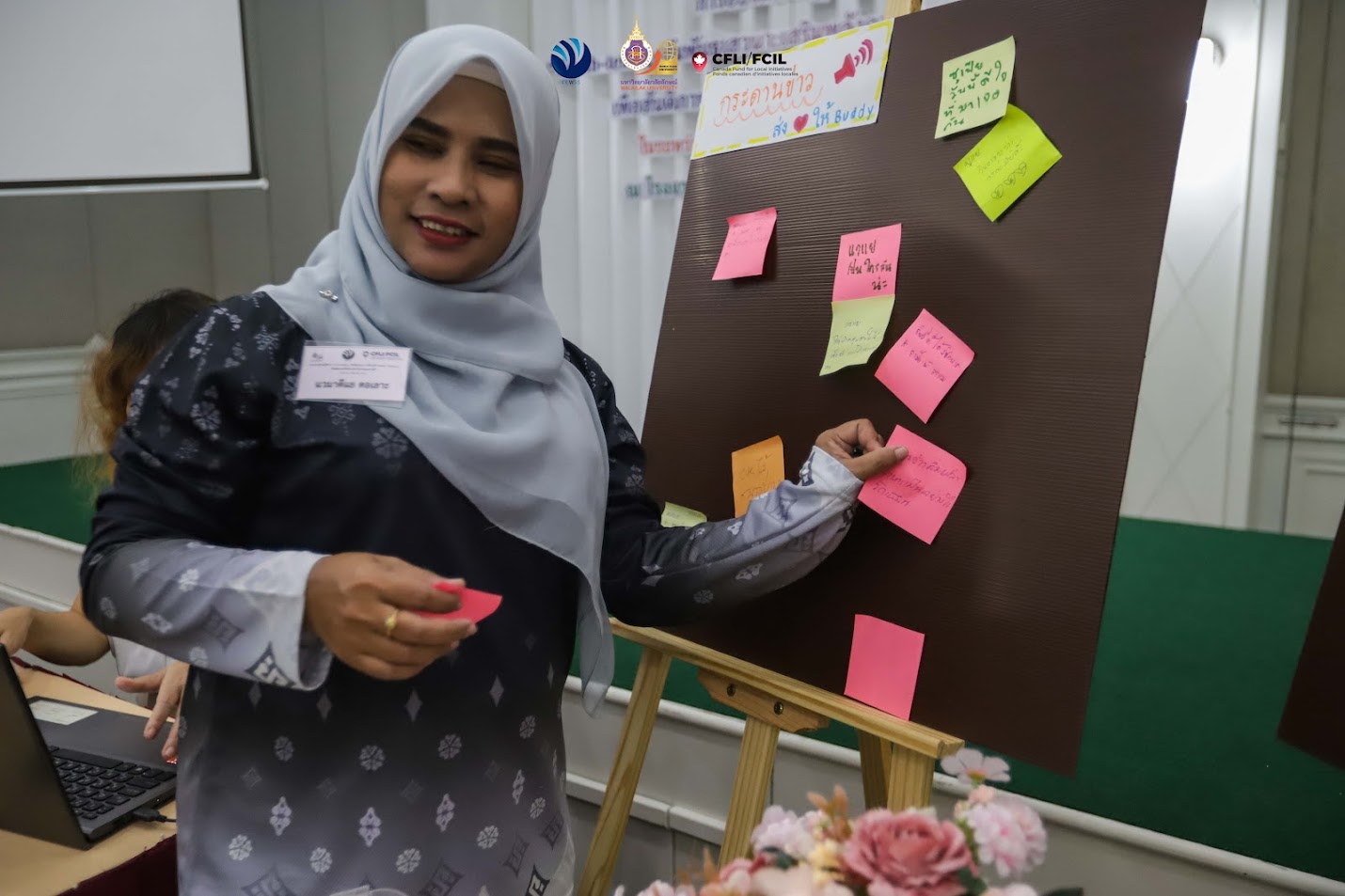
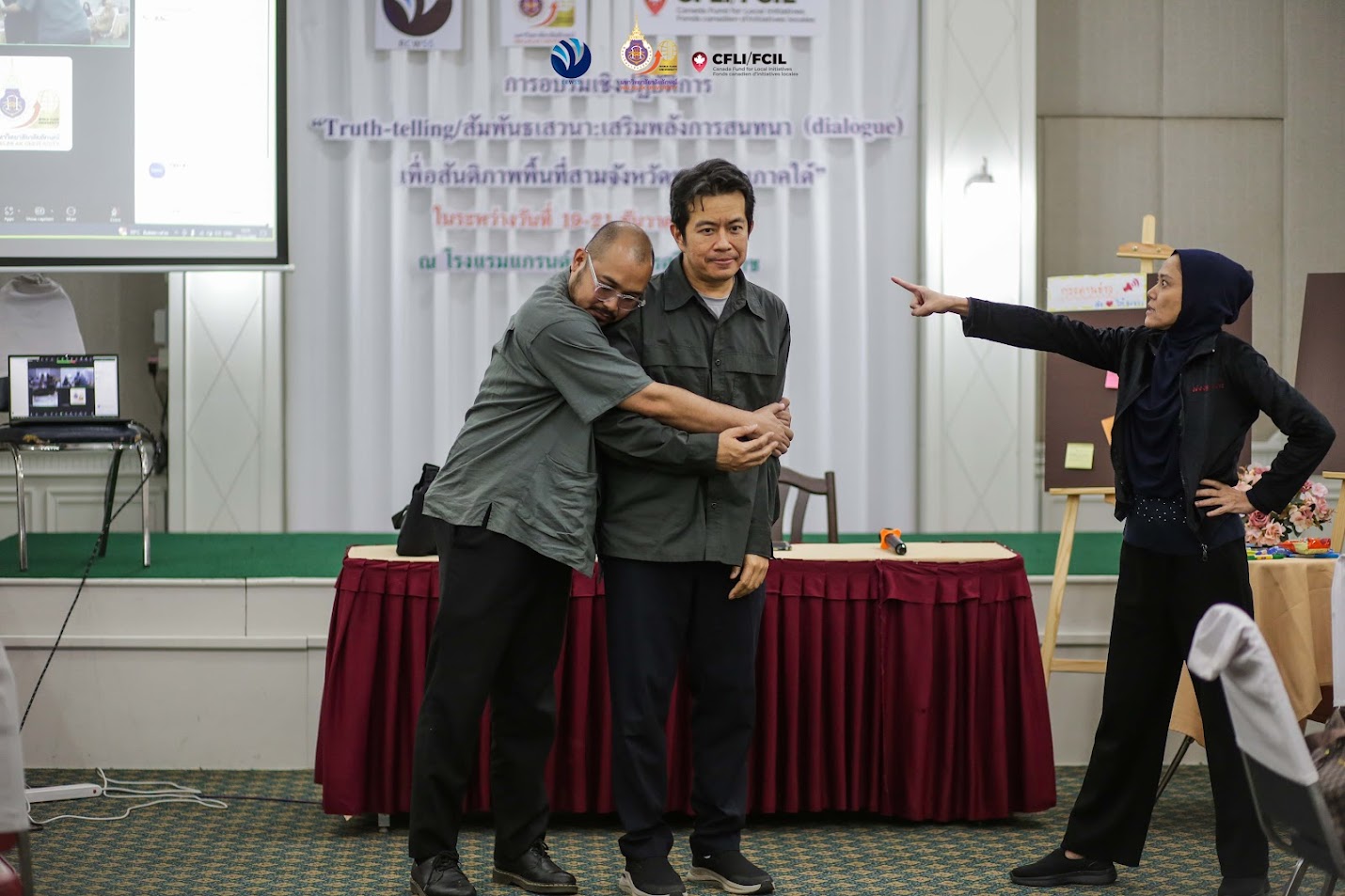
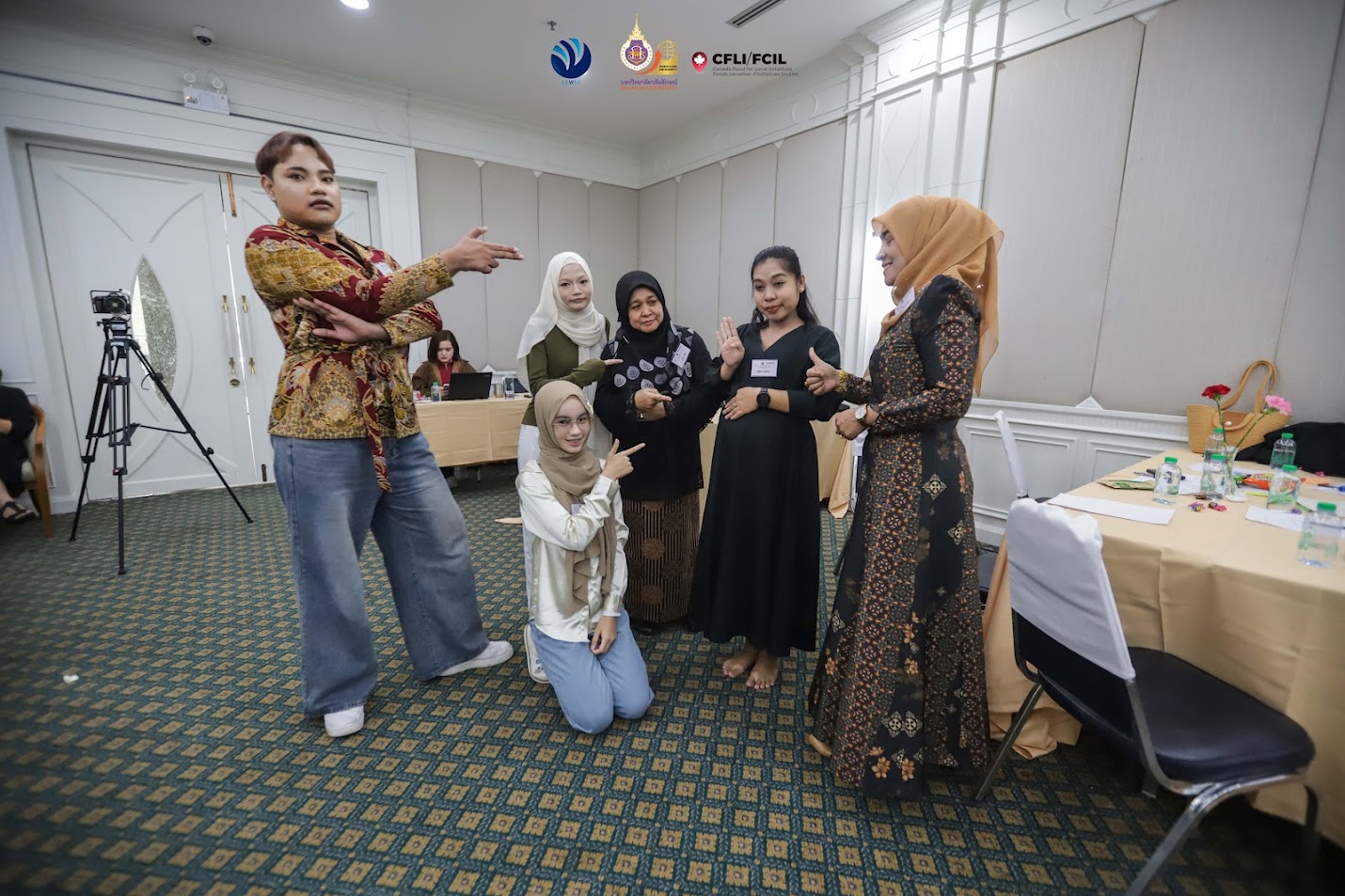
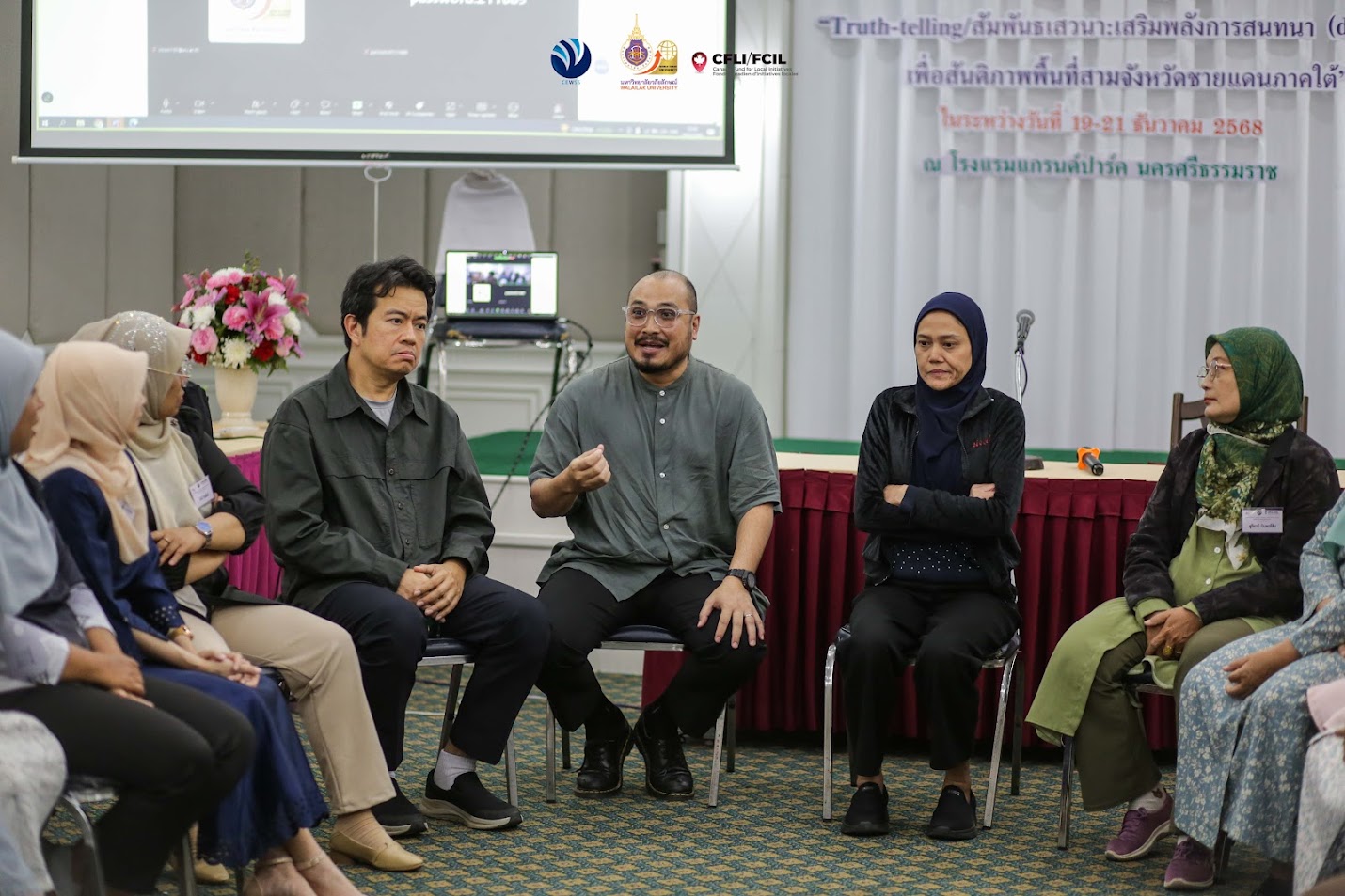
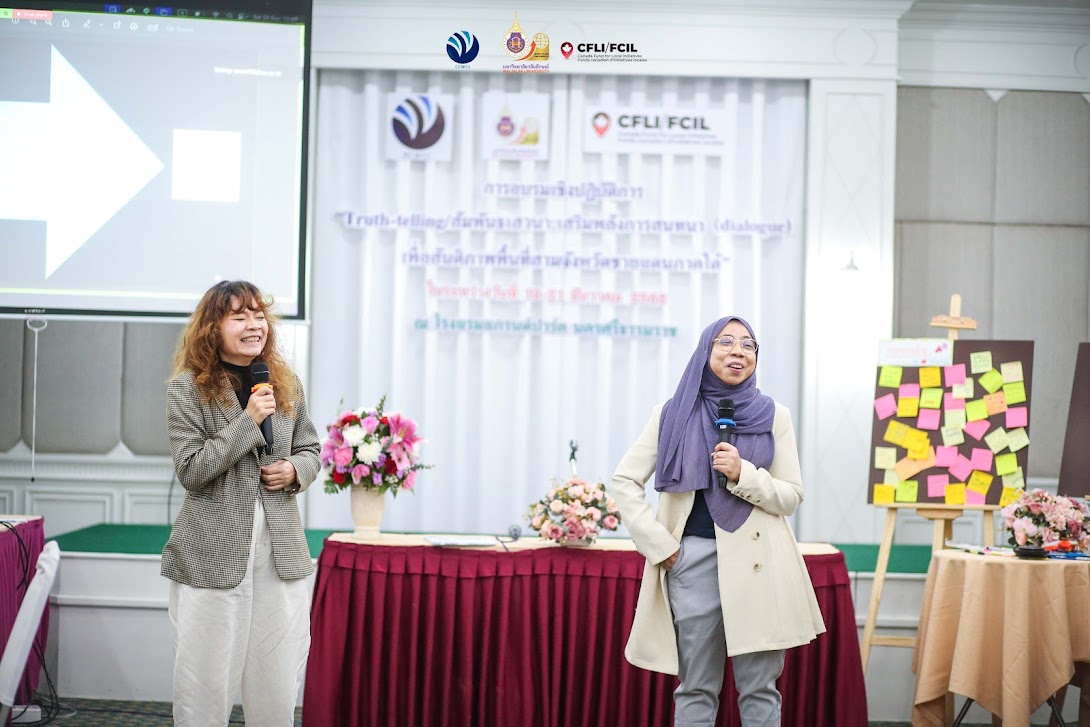
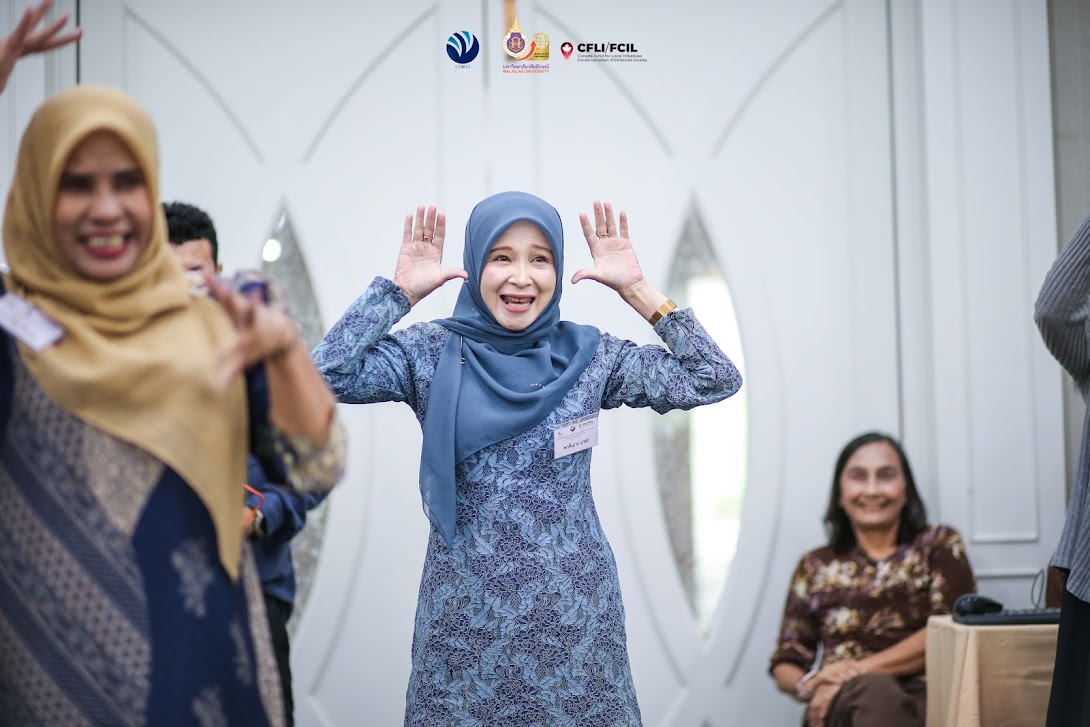
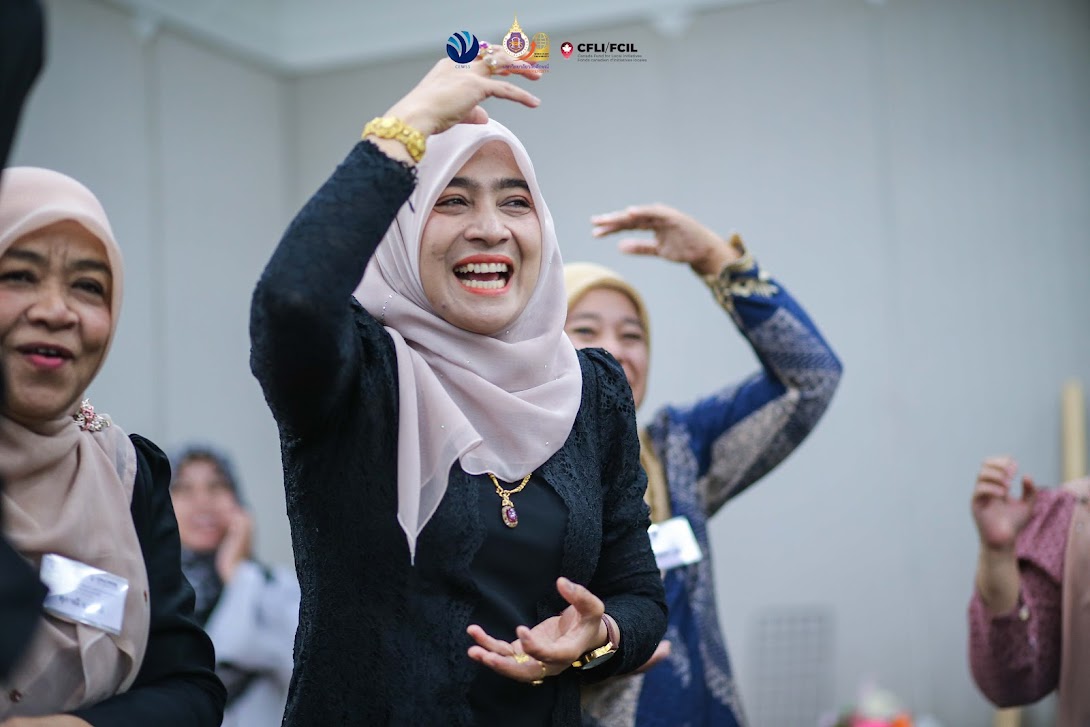
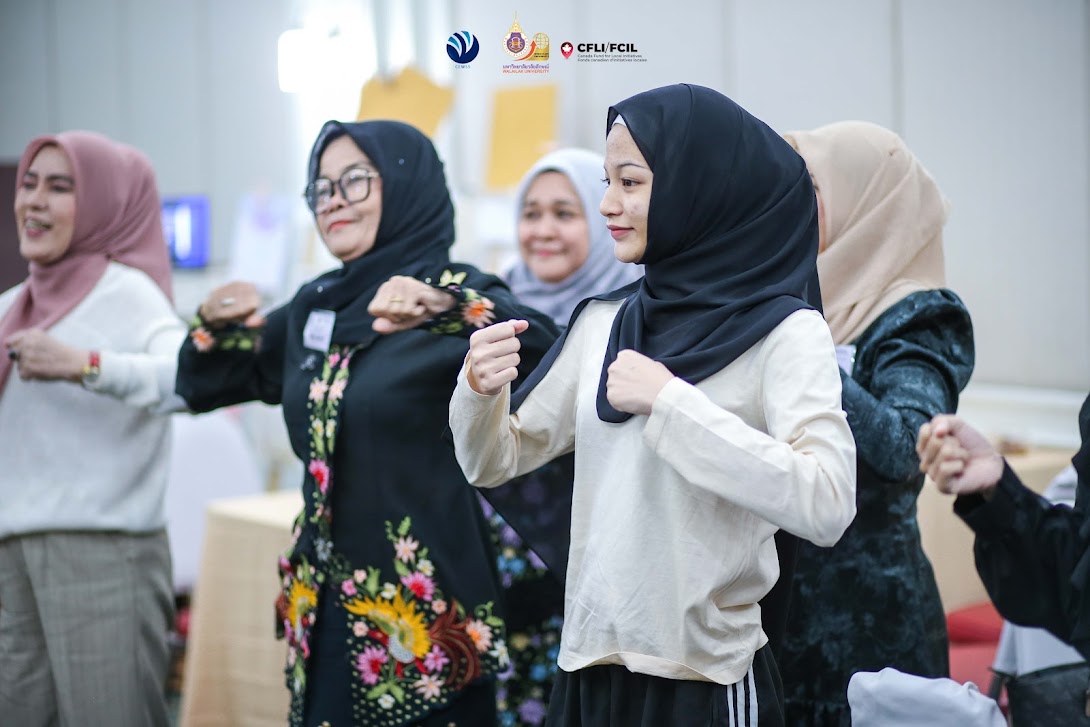
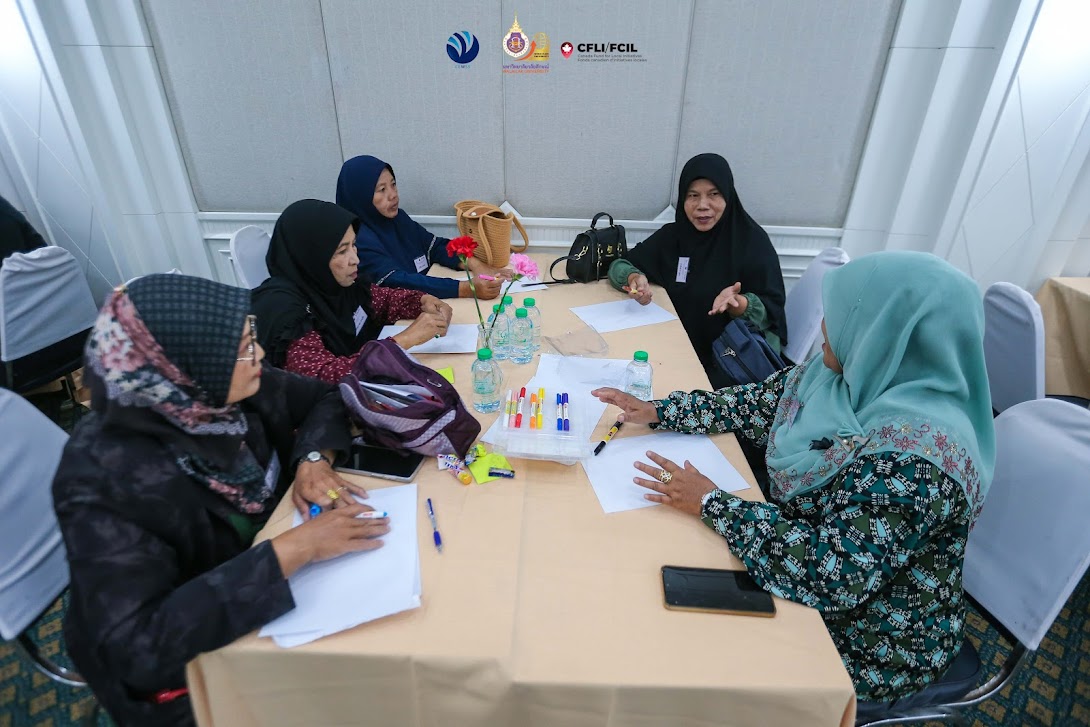
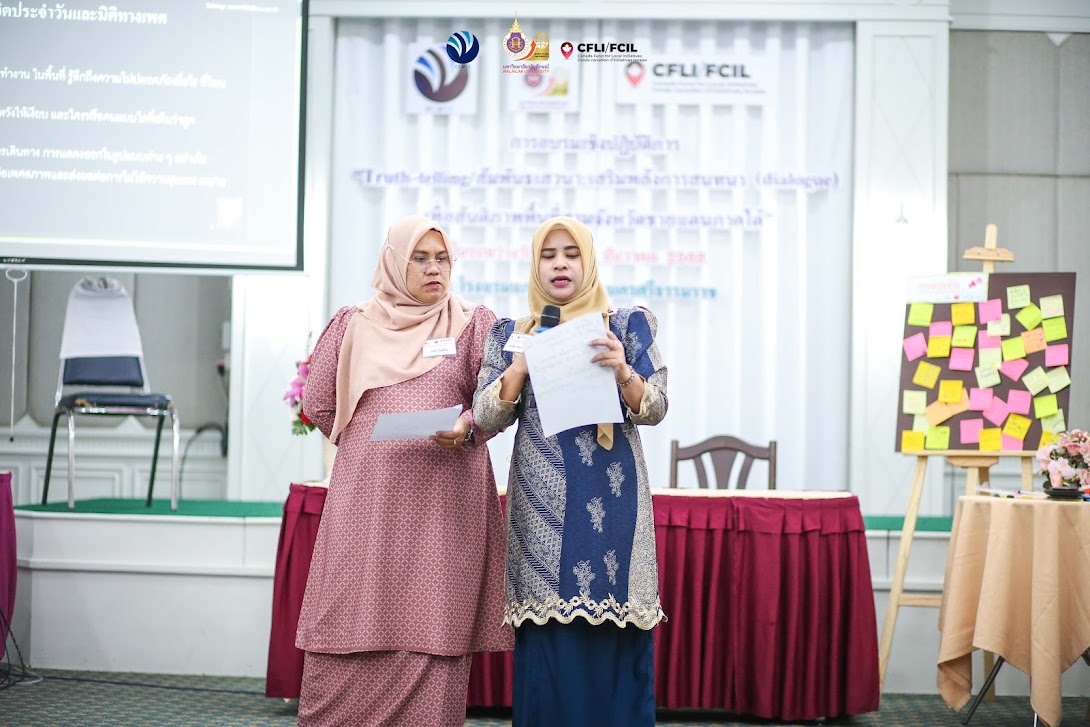
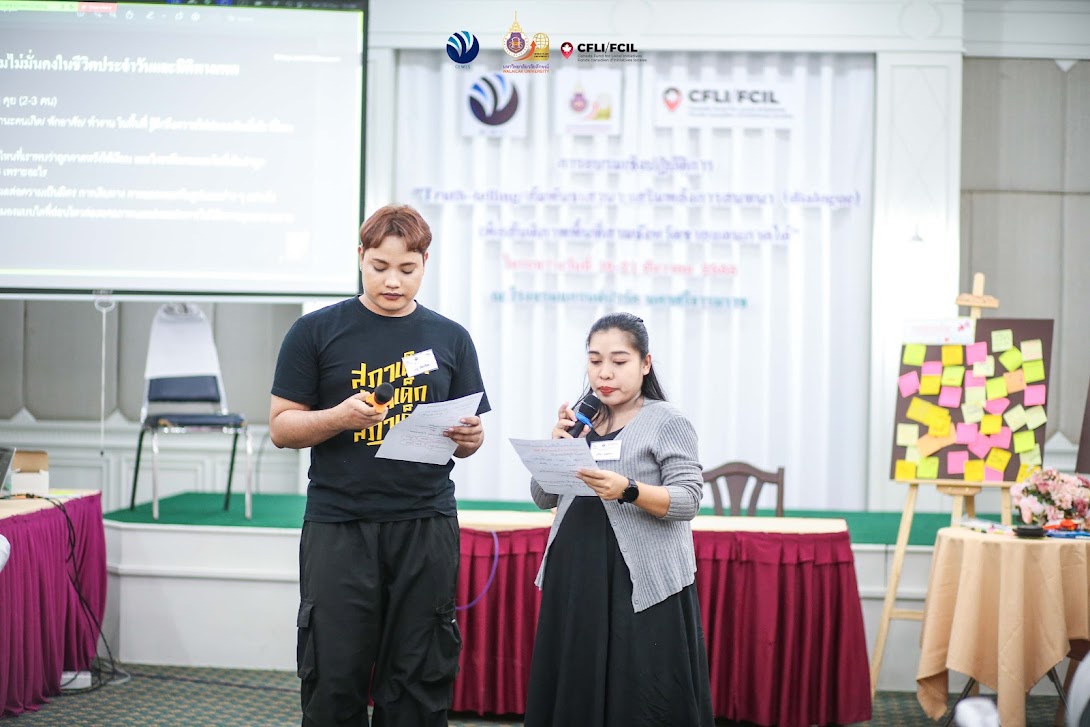
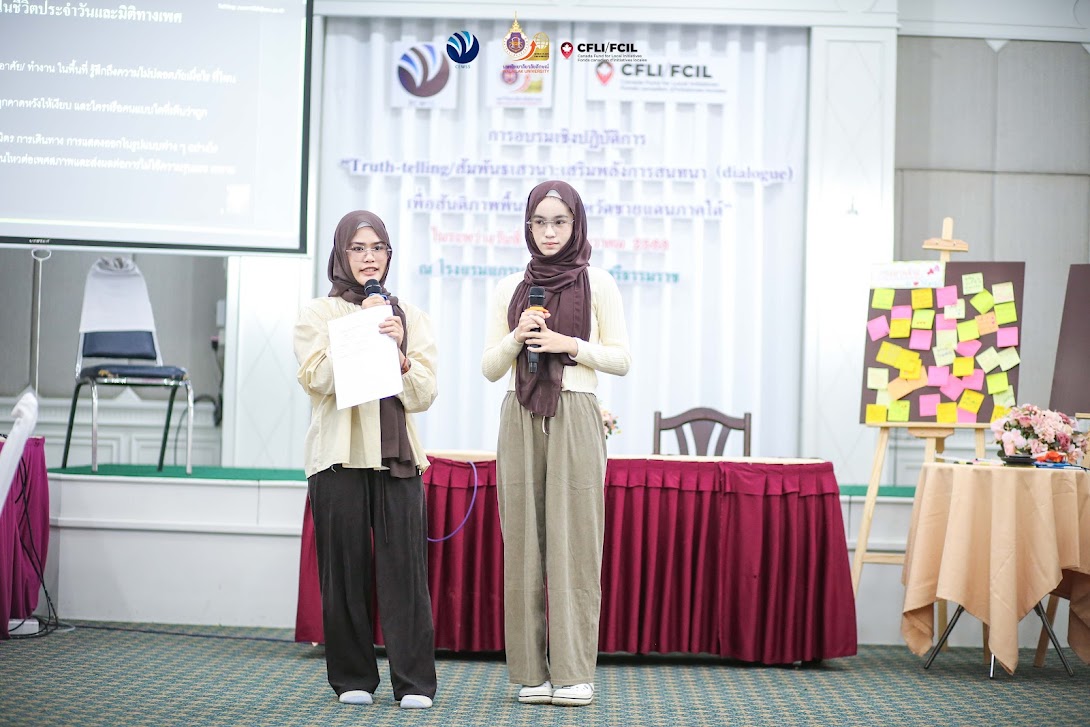
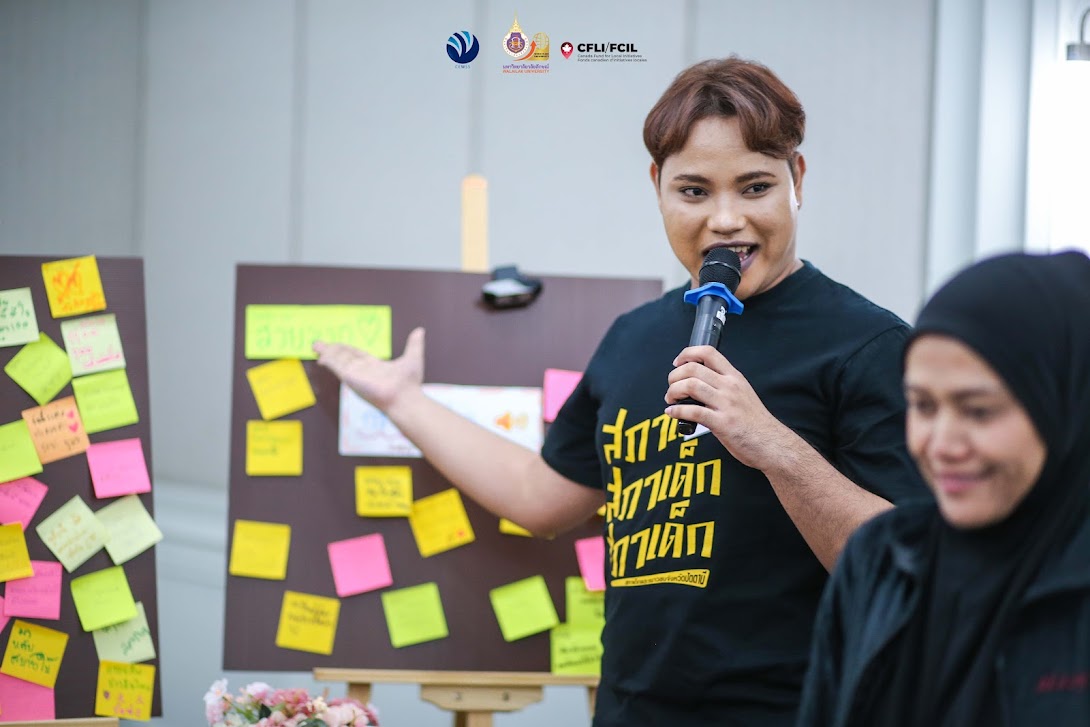
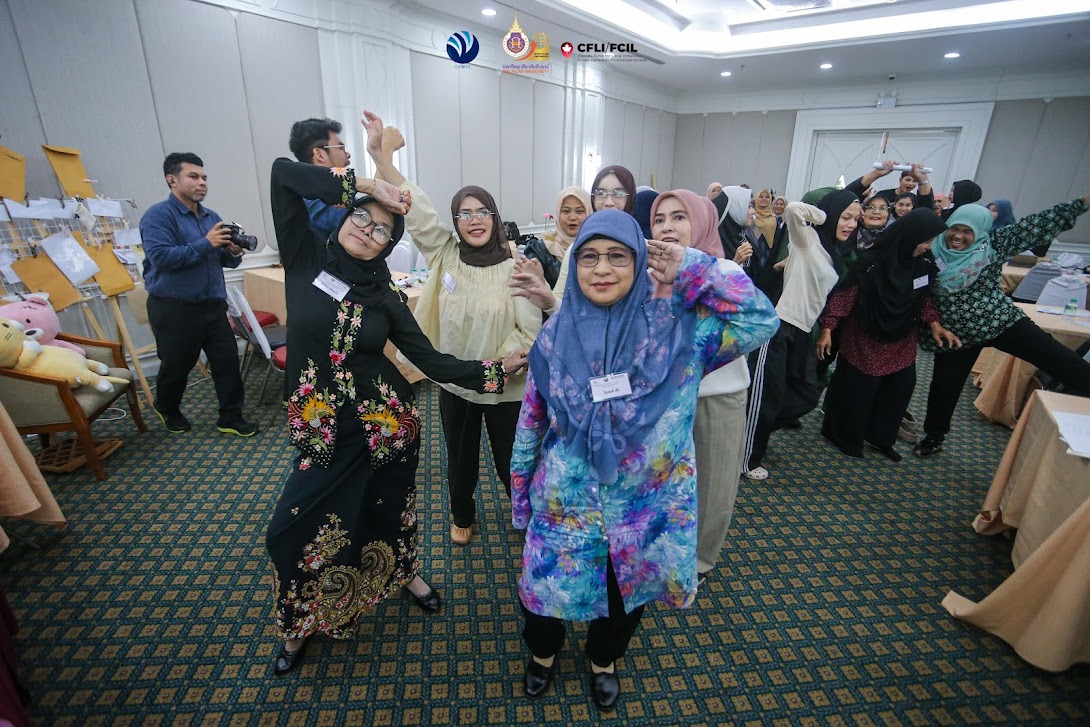
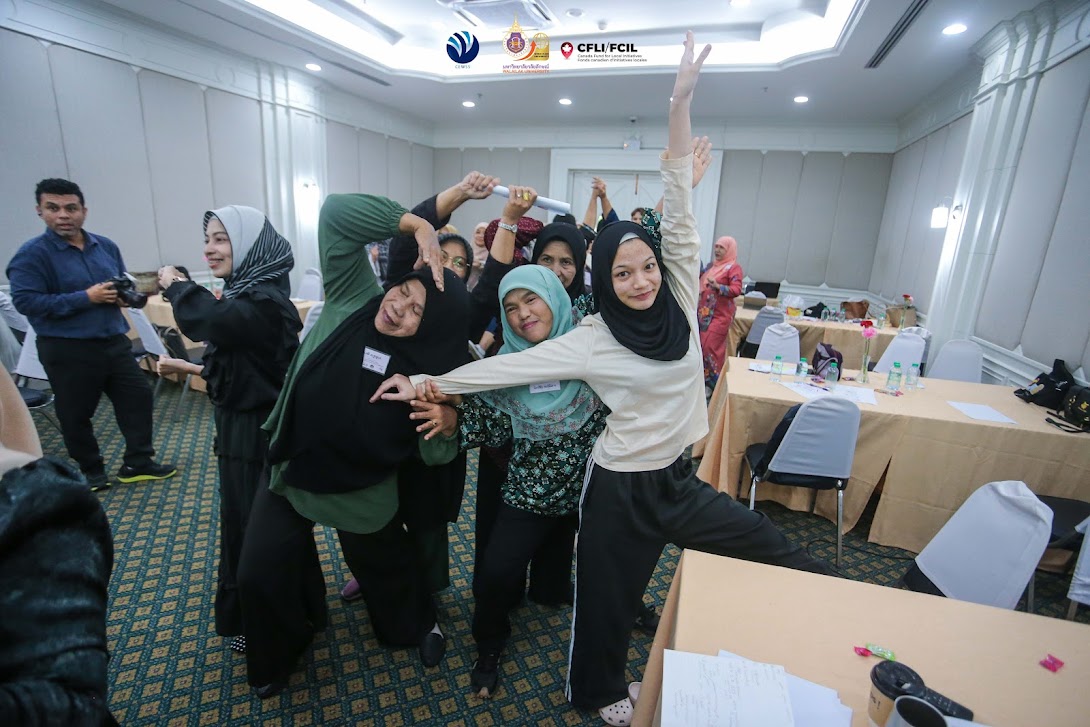
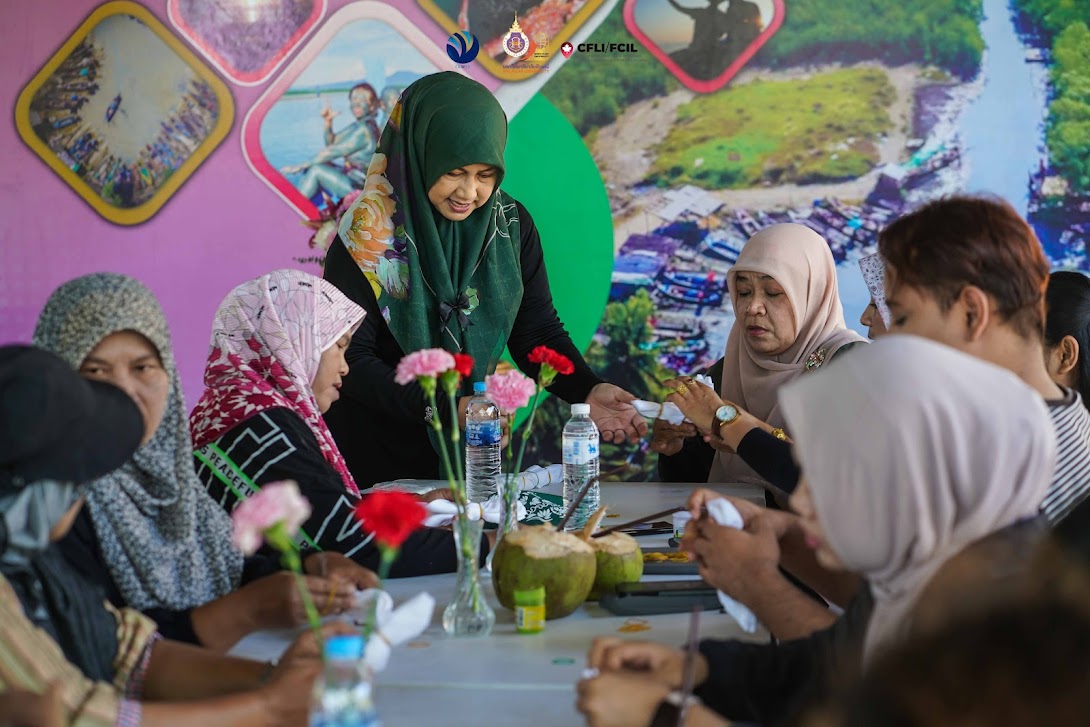
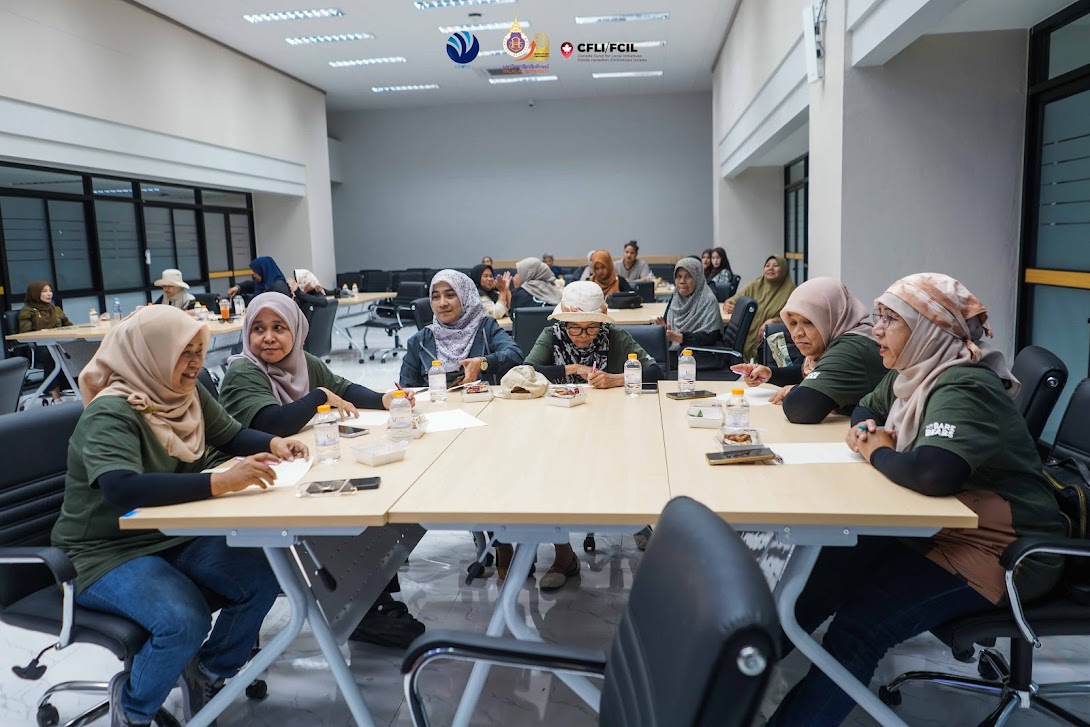
On the first day, the workshop officially opened with activities aimed at raising awareness of safe spaces for speaking and listening. The sessions were facilitated by Ms. Fareeda Jiraporn, who led activities to build familiarity and trust through applied theatre techniques. This was followed by the activity “Peaceful Communication: Empower and Empathy,” facilitated by Mr. Suphasawat Buranavej. The final activity of the day, “The Unspoken Stories: How Can We Speak Them?”, was presented through short theatrical performances, with special facilitation by Assistant Professor Khalid Midam from the School of Languages and General Education, Walailak University.
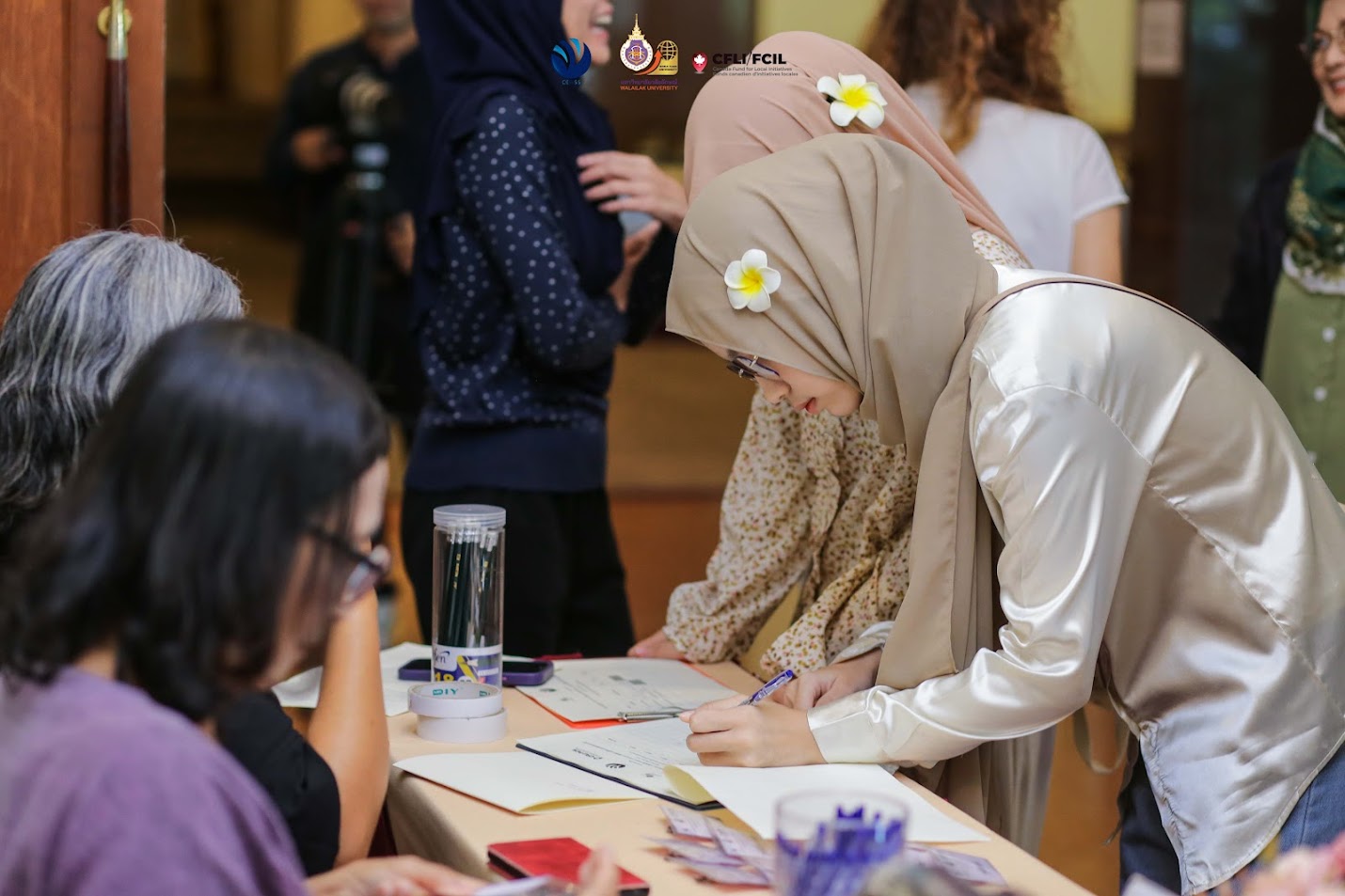
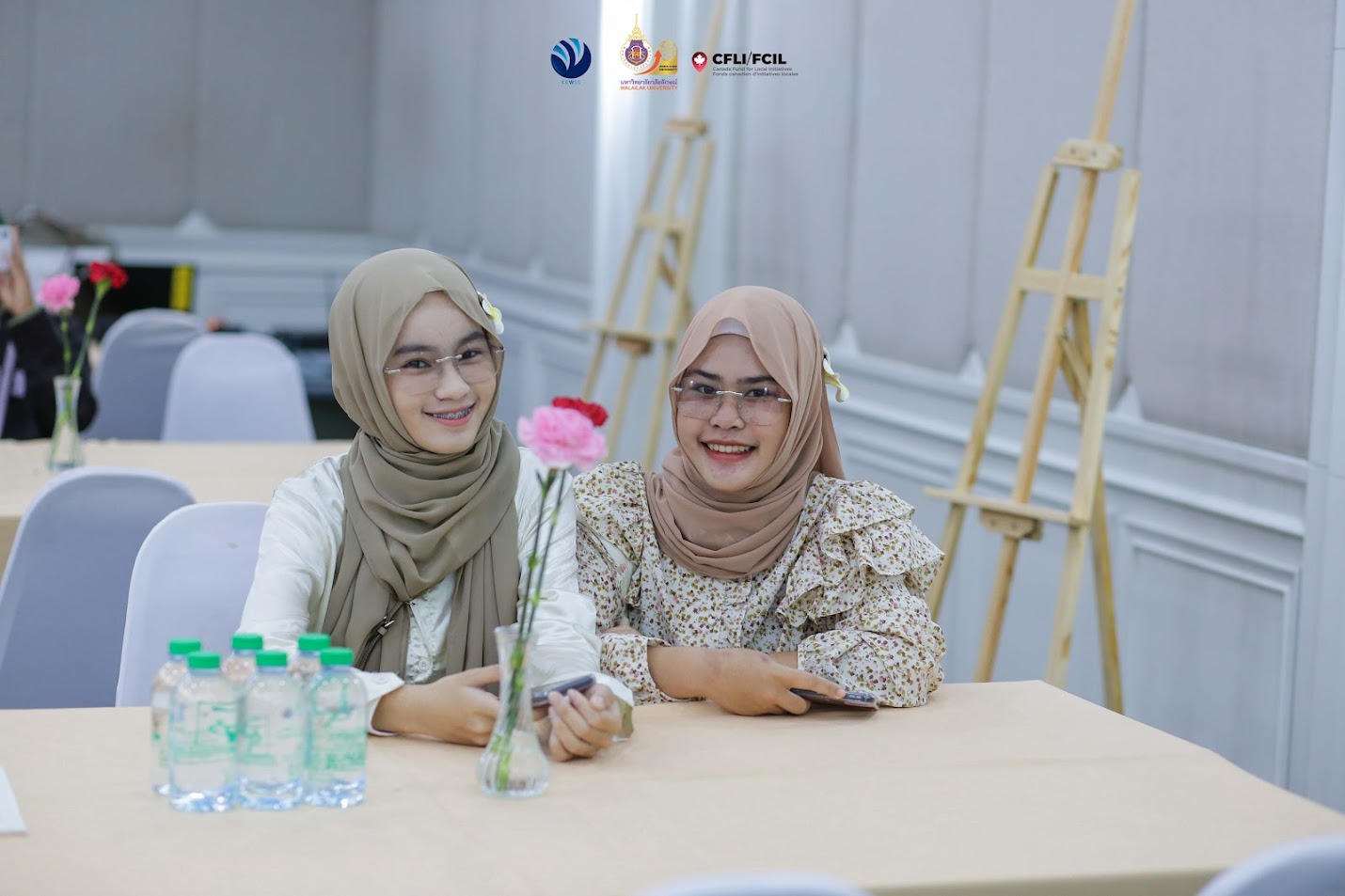
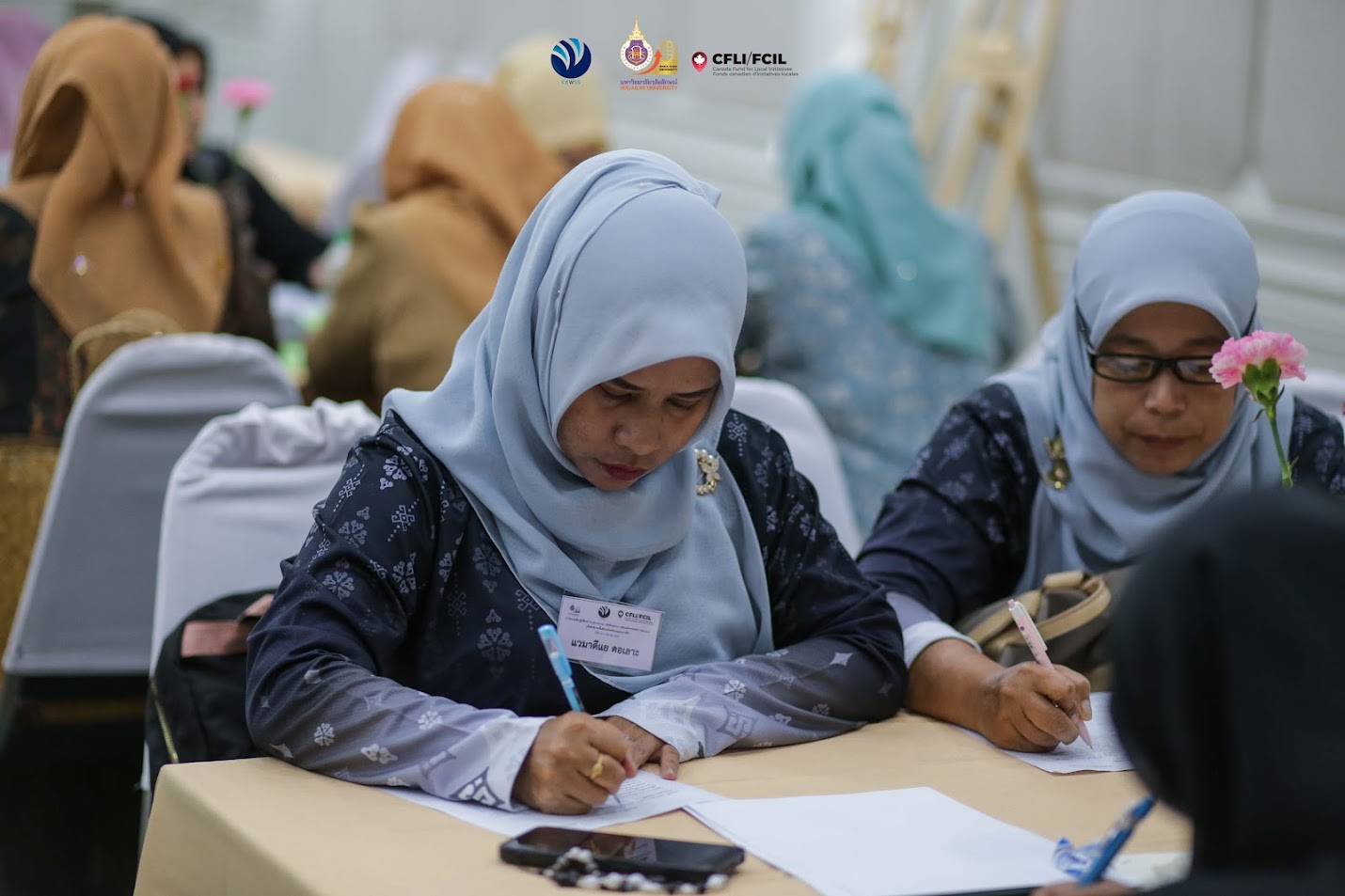
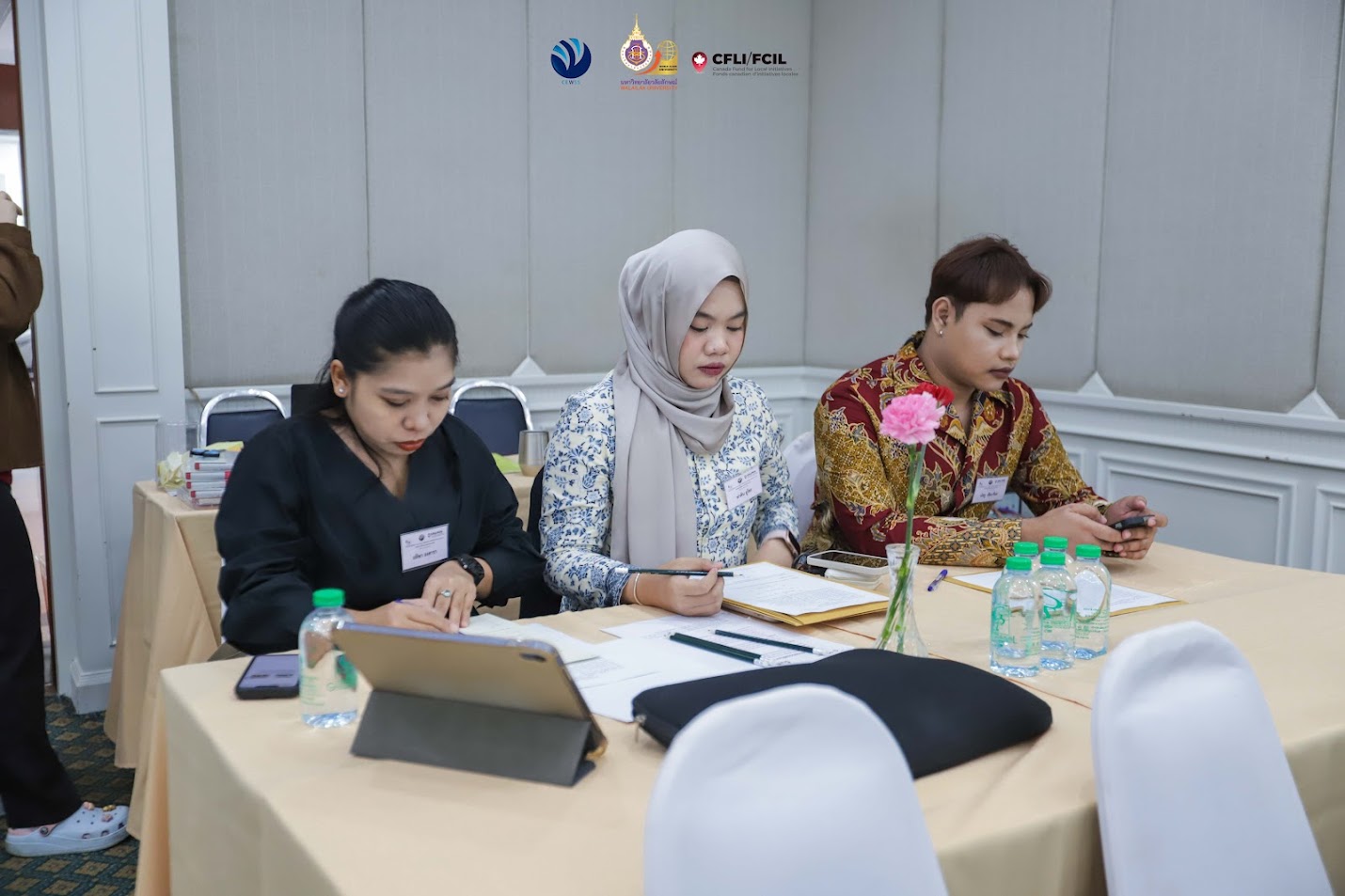
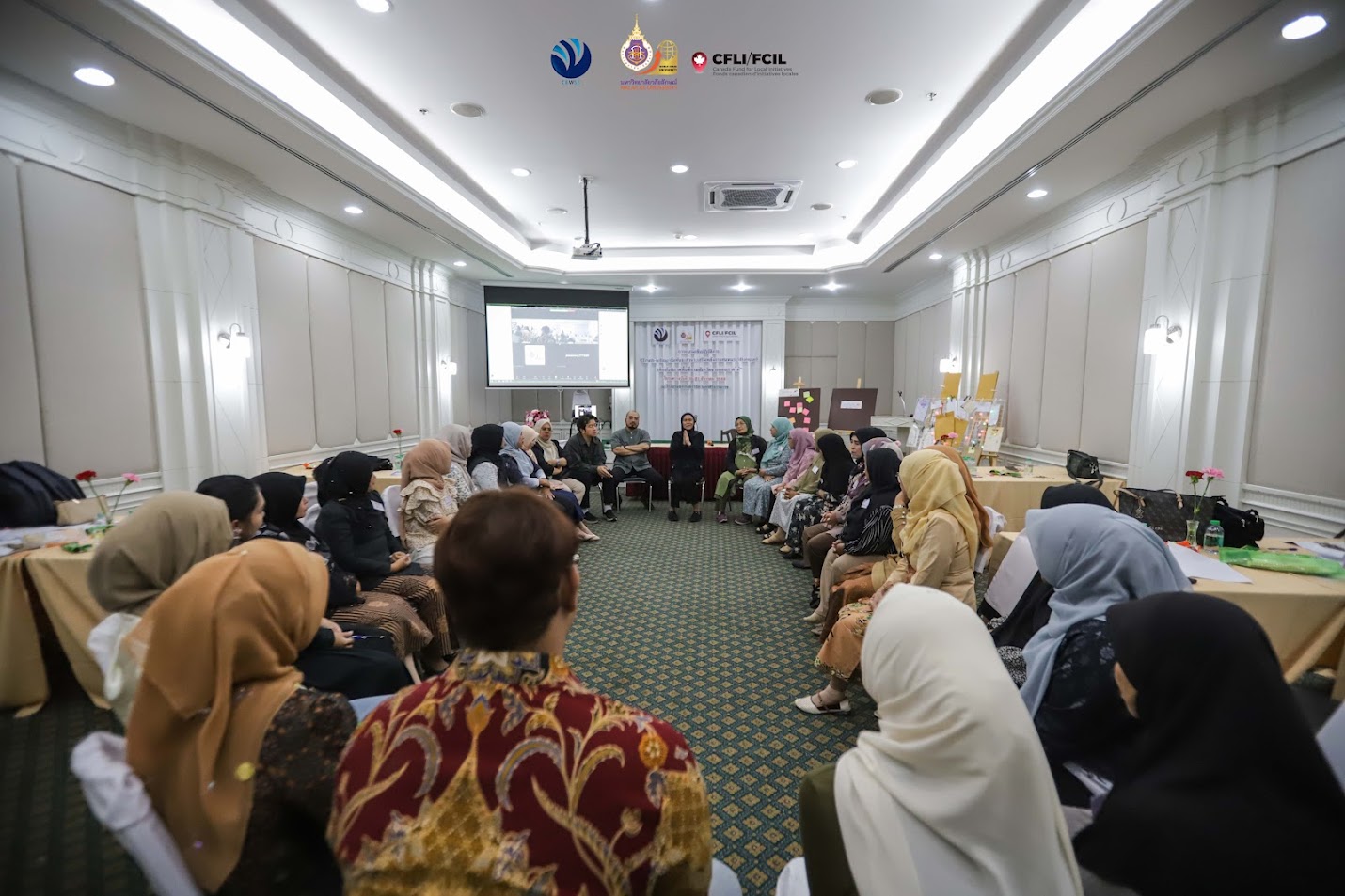
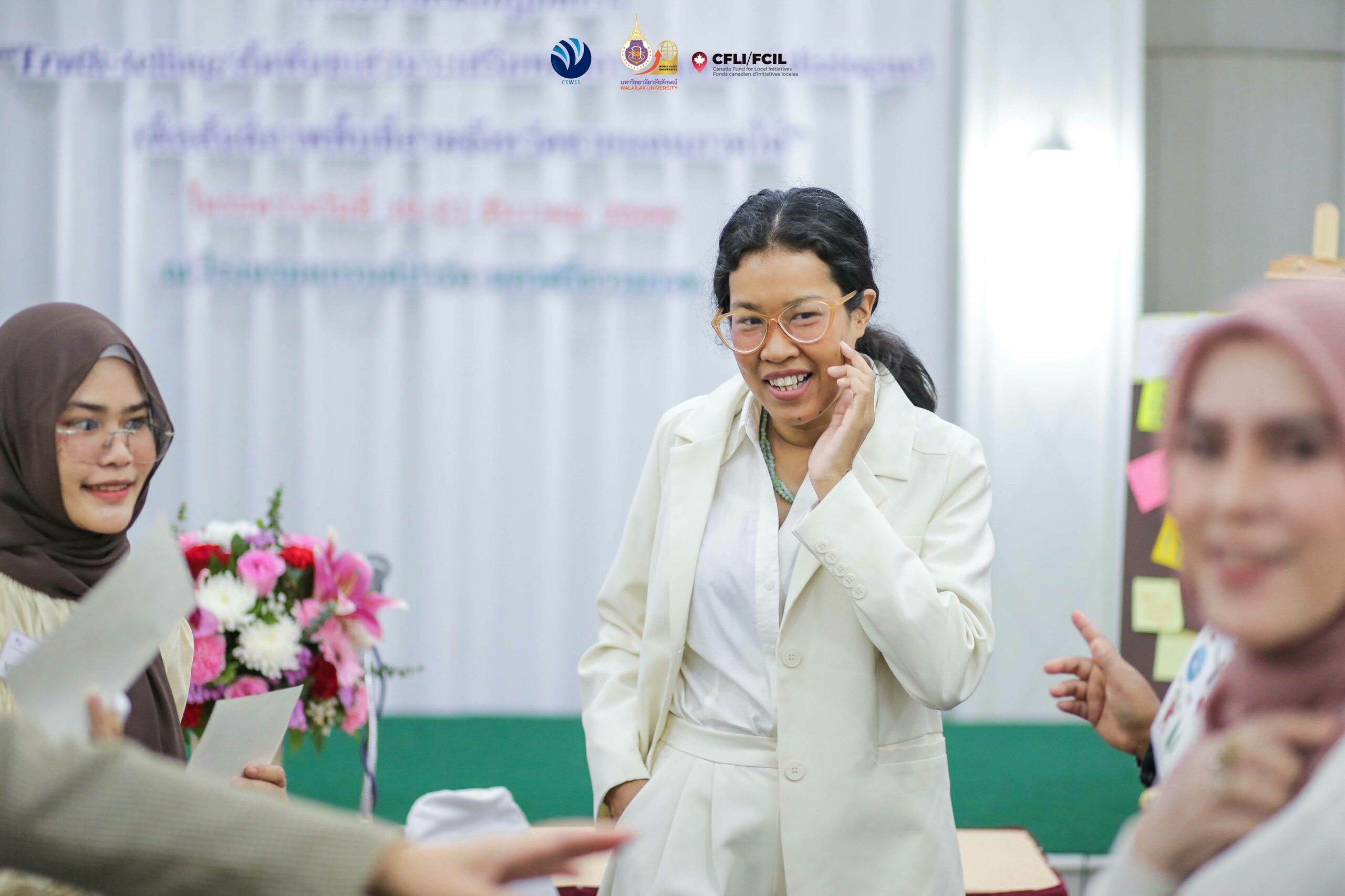
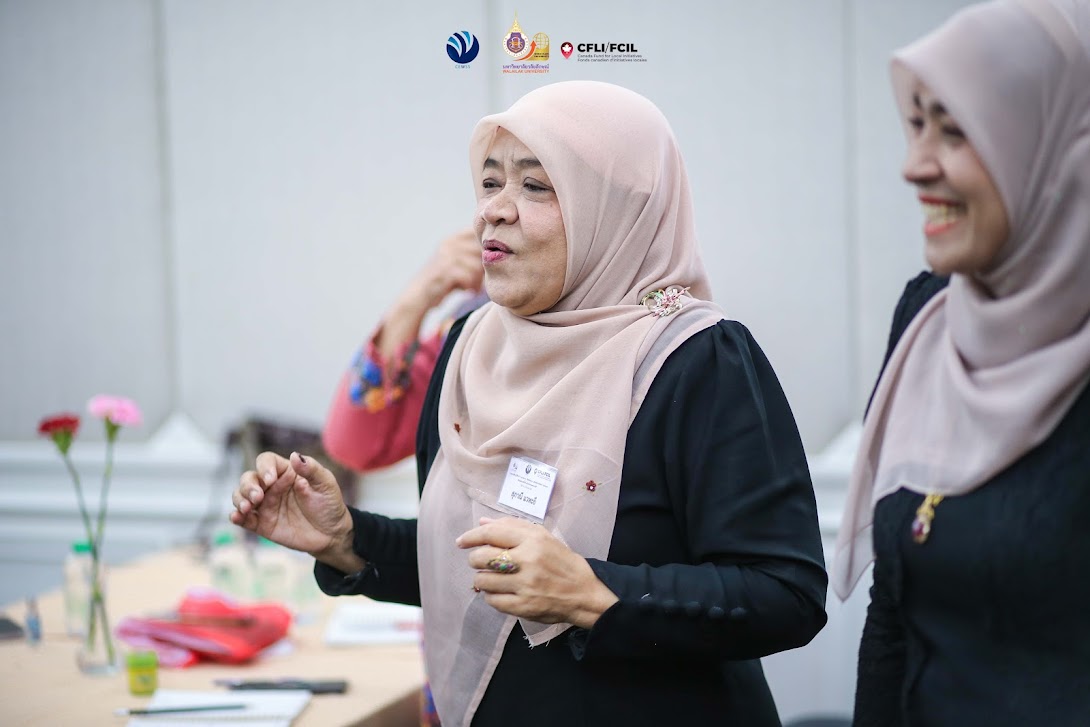
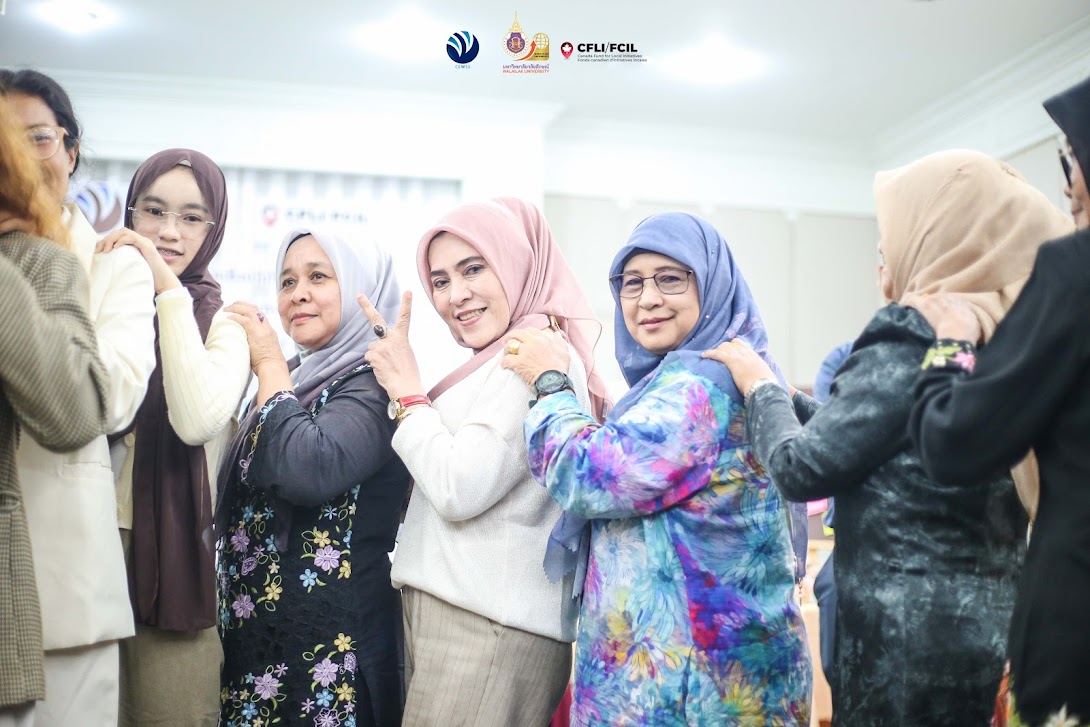
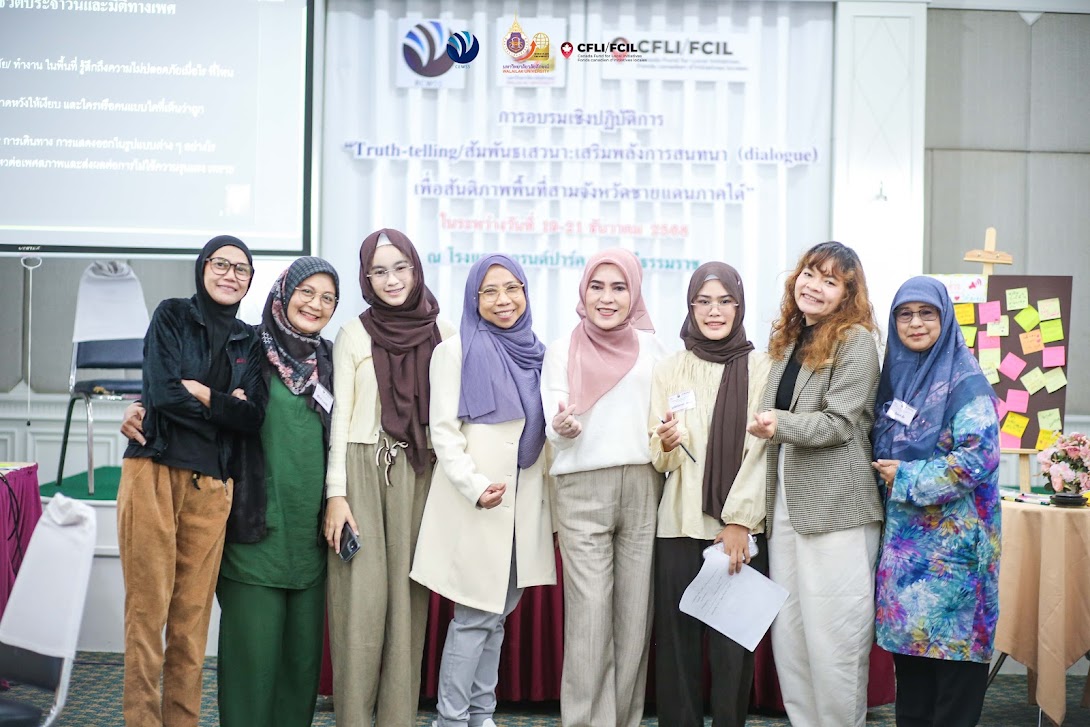
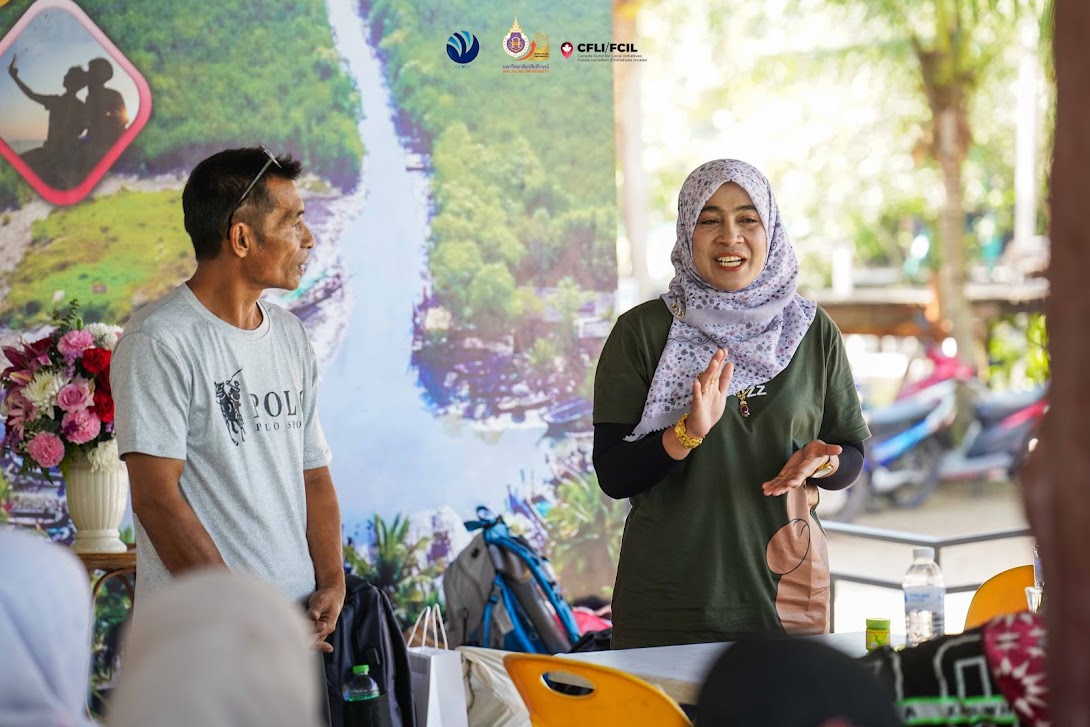
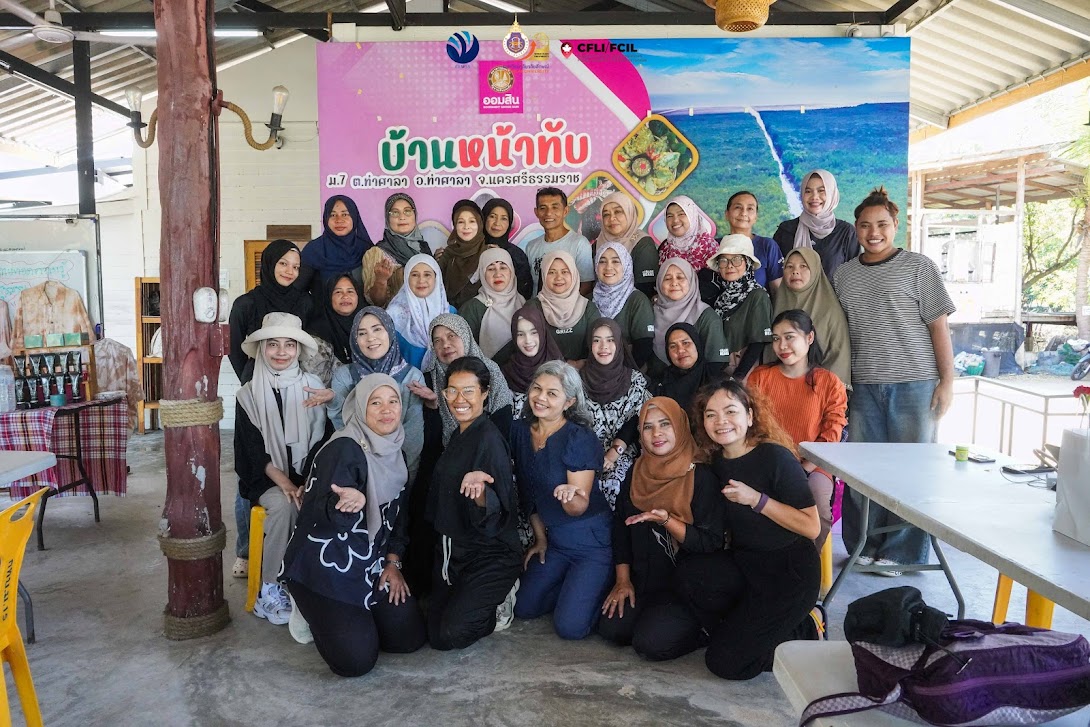
The atmosphere on the first day was lively, engaging, and collaborative, with strong participation from women’s groups representing diverse communities. The workshop is expected to generate ripple effects in participants’ own communities by strengthening relationships and supporting peacebuilding efforts in Thailand’s southern border areas.
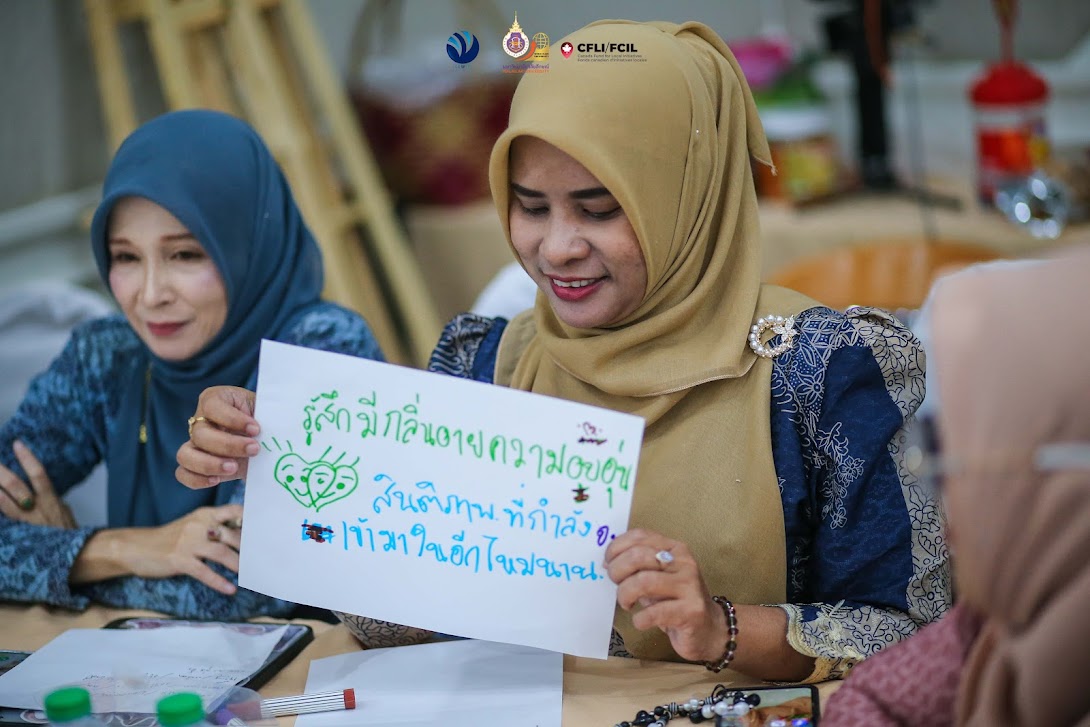
The second day focused on learning about Women, Peace and Security (WPS) and United Nations Security Council Resolution 1325 (UNSCR 1325), under the theme “When Women Speak but Social Structures Are Not Yet Open.” Grounded in the conceptual framework of Women, Peace and Security (WPS) and UNSCR 1325, the sessions featured a keynote lecture and discussion by Assistant Professor Dr. Amporn Marddent from the Faculty of Sociology and Anthropology, Thammasat University, on the topic “Women Who Dare to Speak in Conflict-Affected Areas Worldwide.” The session aimed to inspire participants to recognize their own value and to highlight the importance of ensuring that women’s voices are meaningfully included at all levels of peace processes. Another key activity, the “Secret Room,” encouraged participants to reflect on “Slow Violence: Invisible Forms of Violence.” The session was facilitated by Ms. Yasasipa Suksai, an independent scholar, and Assistant Professor Dr. Taweeluck Pollachom, a lecturer at the School of Languages and General Education, and Head of the Center of Excellence on Women and Social Security, Walailak University. The activity highlighted how prolonged violence in the region has fostered mistrust among communities. Participants also shared personal reflections through the symbolic opening of “envelopes of memory” they had brought with them. Many participants noted that certain experiences remain unspoken or hidden due to the lack of safe spaces for reflection and attentive listening.
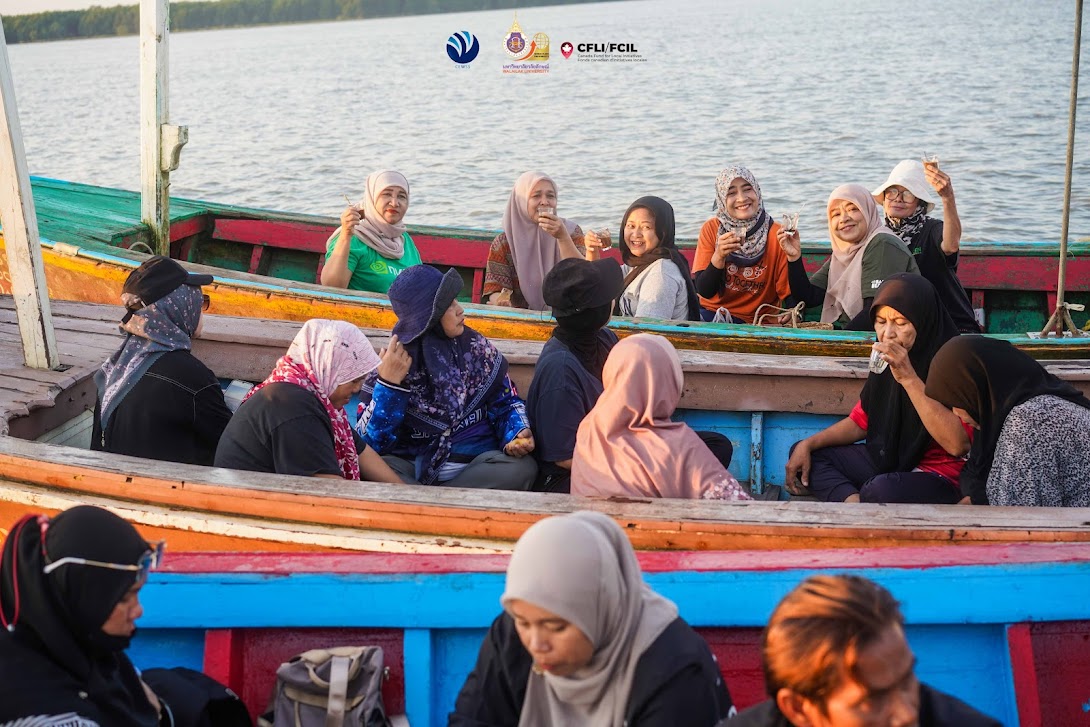
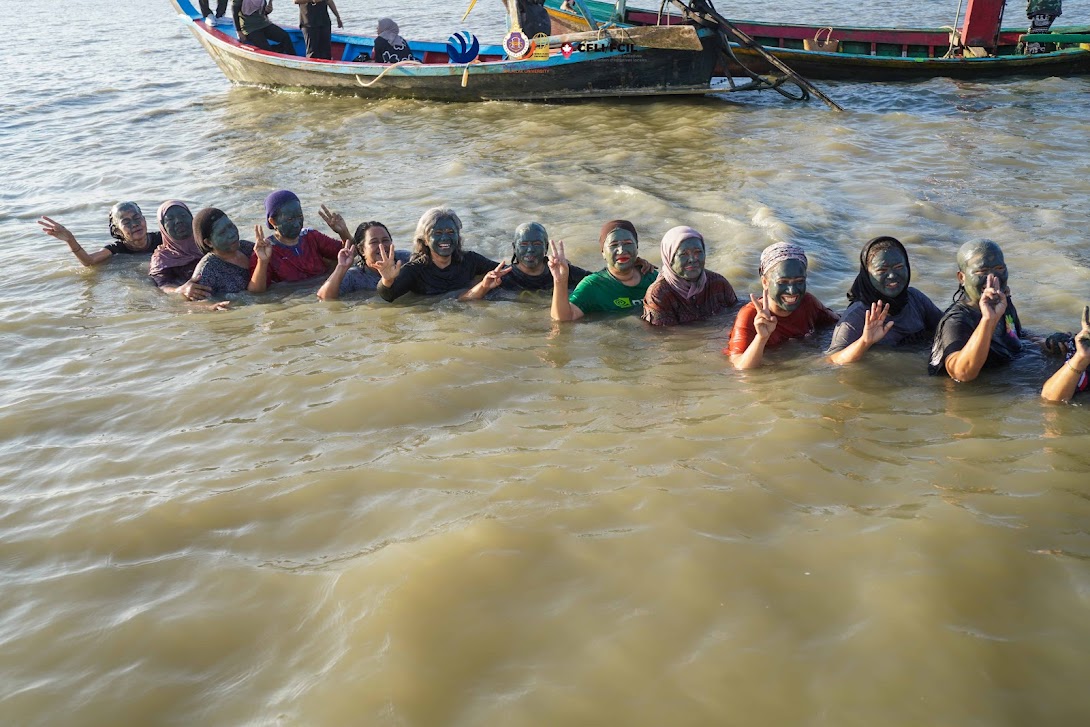
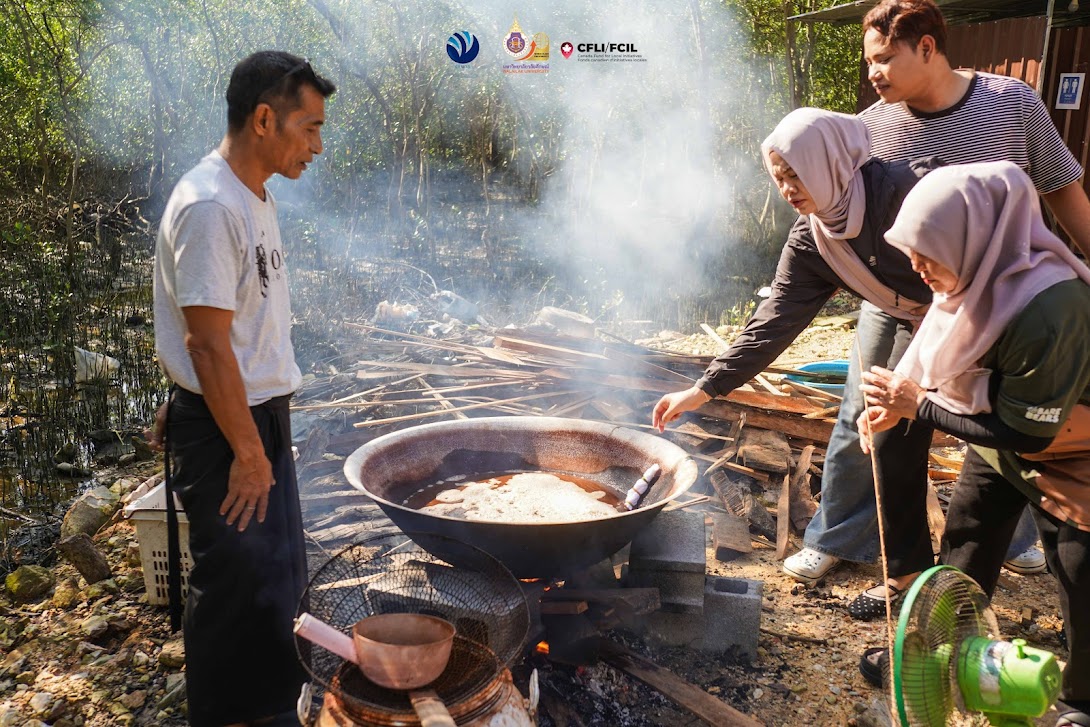
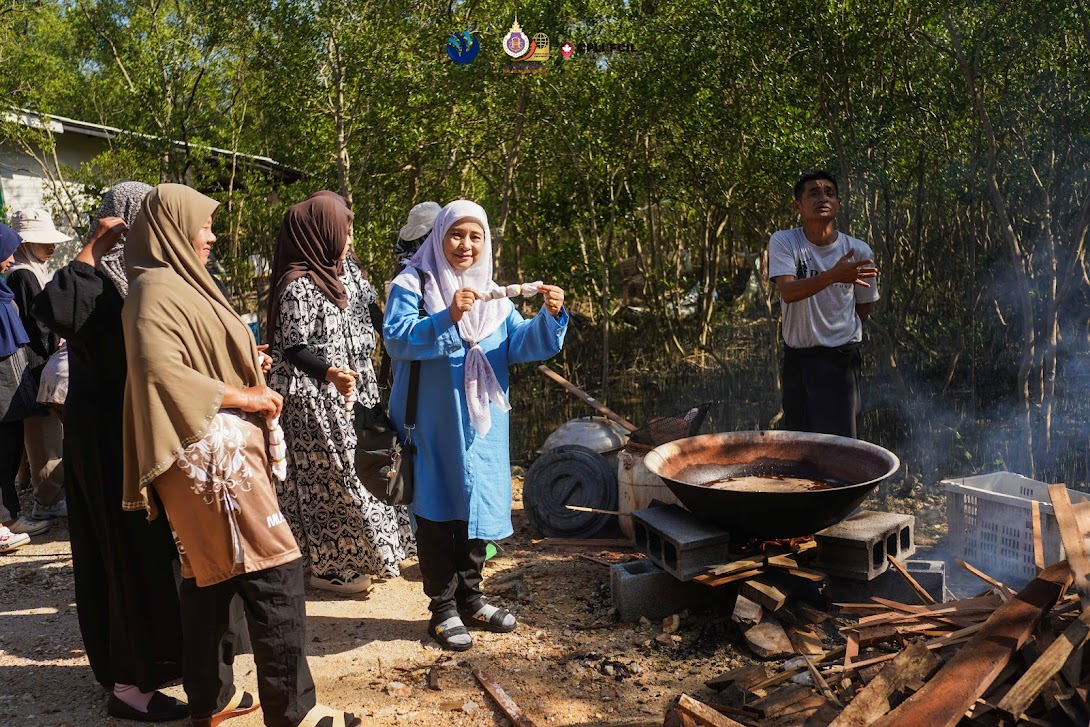
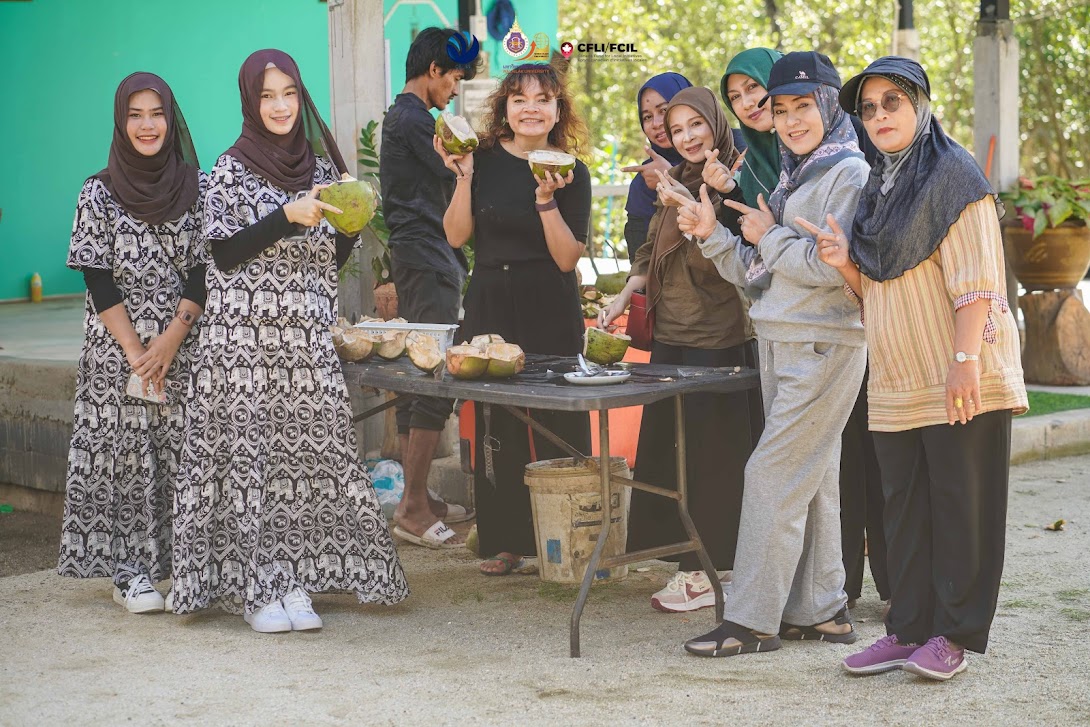
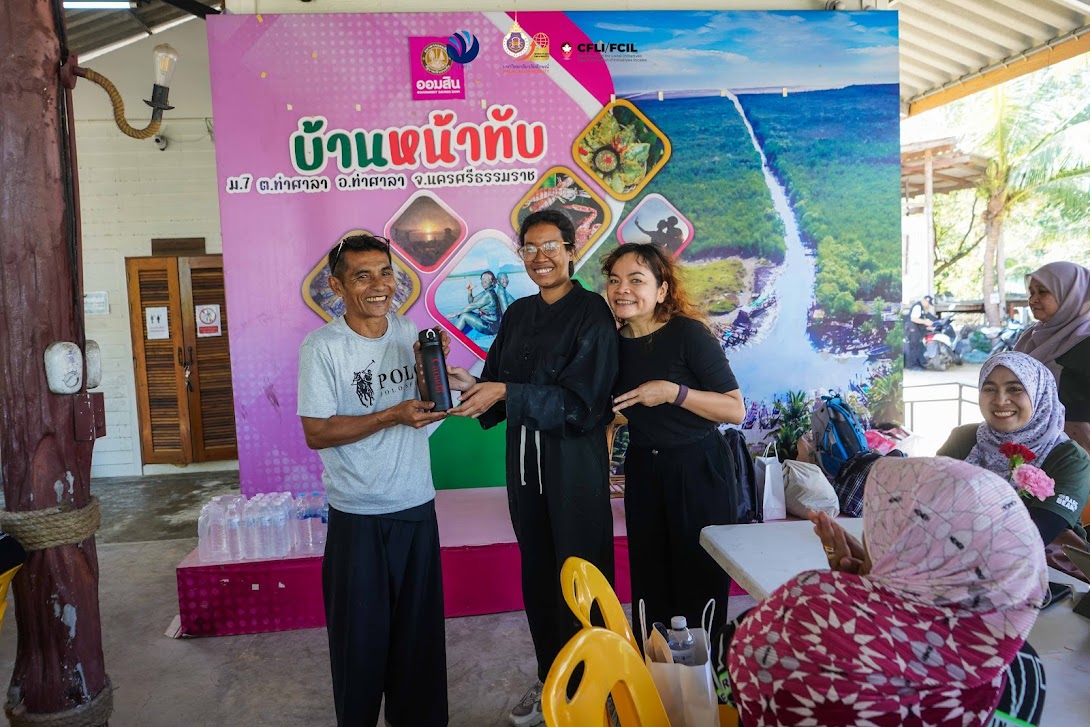
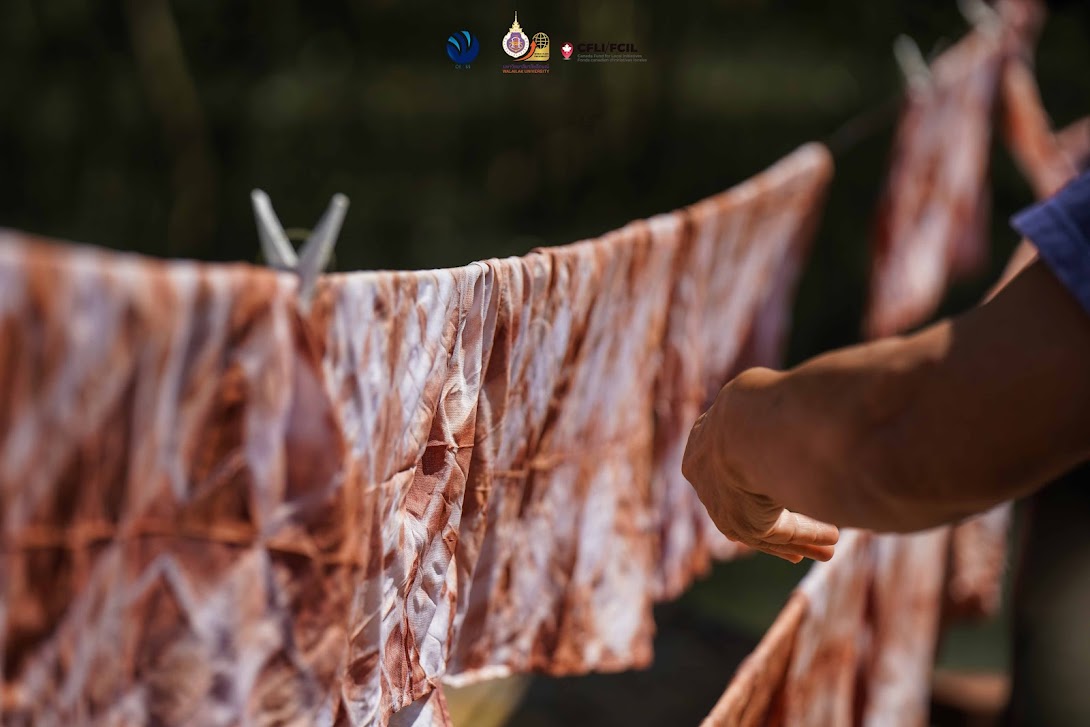
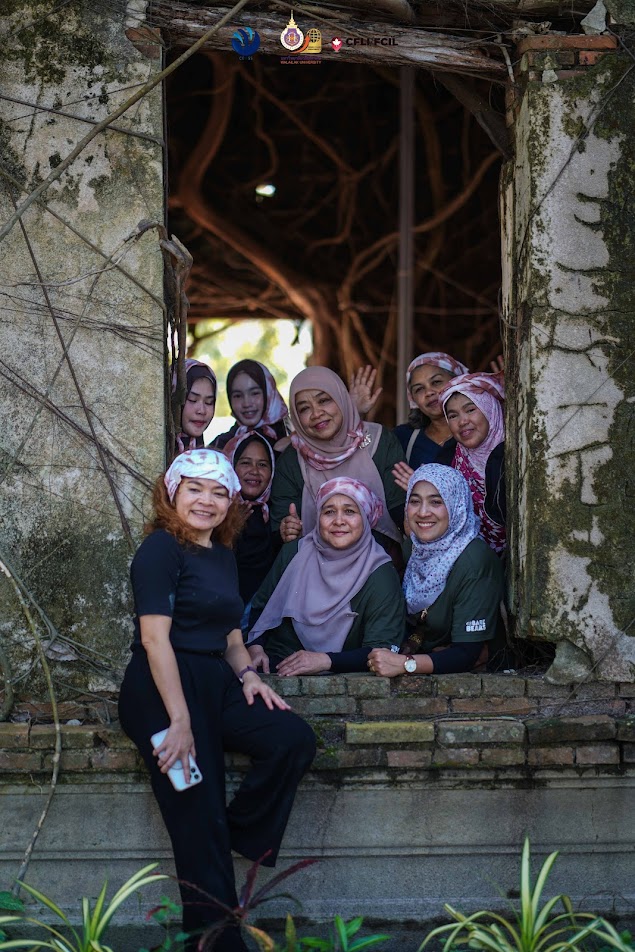
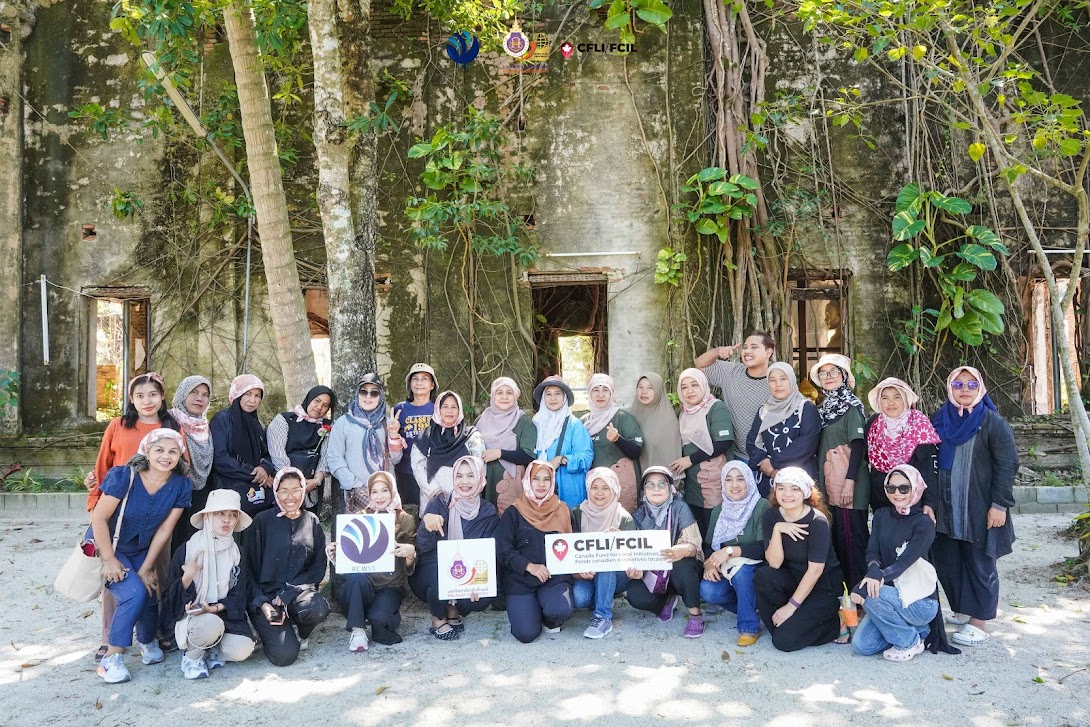
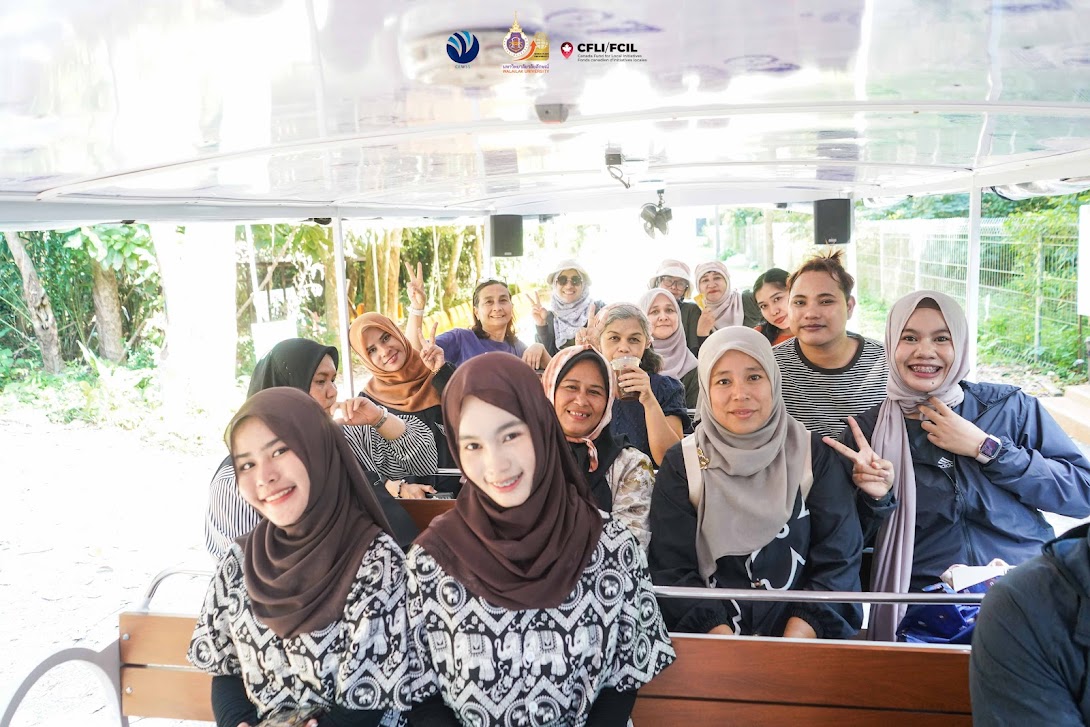
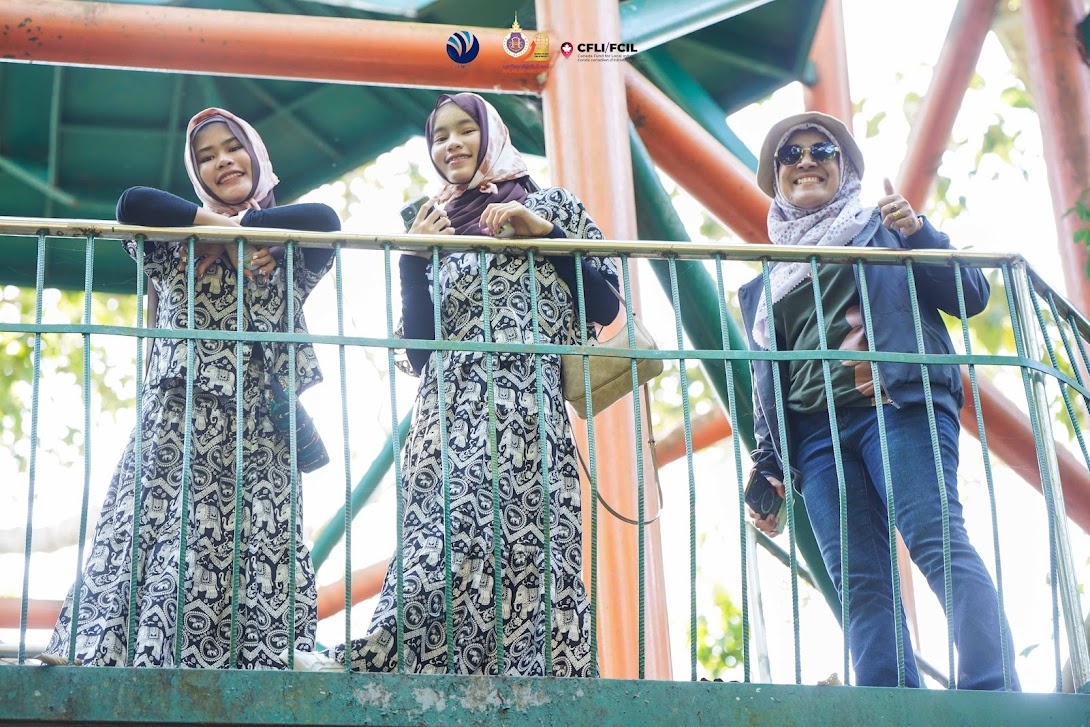
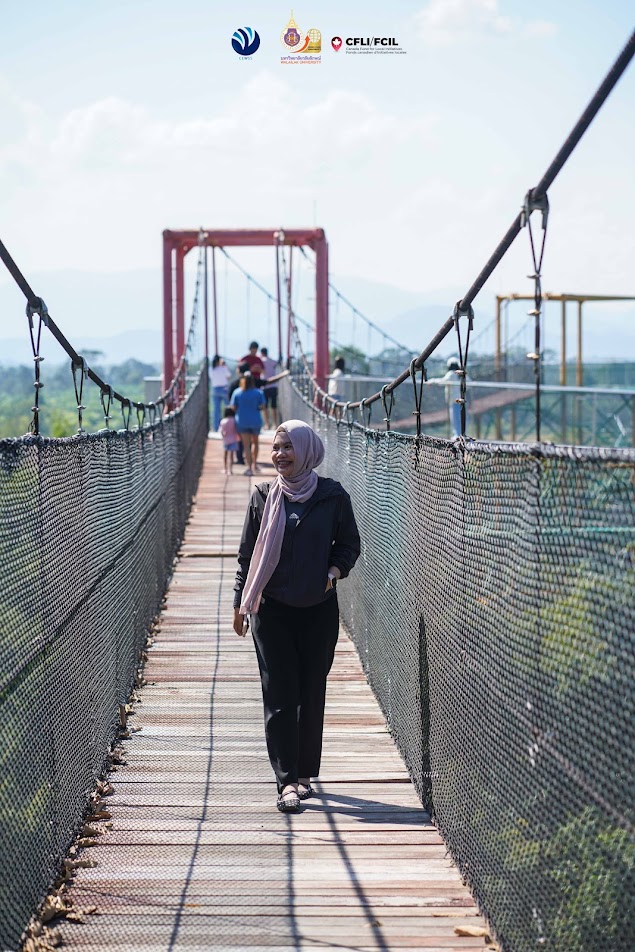
On the third day, the workshop emphasized empowerment and network-building through off-site activities and collective reflection. Participants joined the “Drink Coffee and Watch the Sun” at Ban Laem Homestay, where they learned traditional tie-dye techniques using mangrove bark and listened to the history of Ban Laem community. Although the community is predominantly Muslim, it has long demonstrated peaceful coexistence among people of different faiths, reflecting the area’s multicultural way of life. Before returning to Walailak University to explore the Botanical Garden and Sky Walk, the group stopped at Wat Phai San Sathit, an important historical site. These off-site activities further strengthened bonds among participants, who included village health volunteers, community volunteers, and women leaders from various areas in the three southern border provinces. Following the workshop, participants are expected to design and implement relational dialogue activities in their own communities to encourage open communication, rebuild trust, and foster positive relationships across ethnicities, genders, religions, and generations—reflecting the workshop’s guiding slogan:
“Connected Dialogue: Building Trust, Nurturing Confidence, and Speaking the Truth Safely.”Research Center on Women and Social Security (RCWSS)