About Us
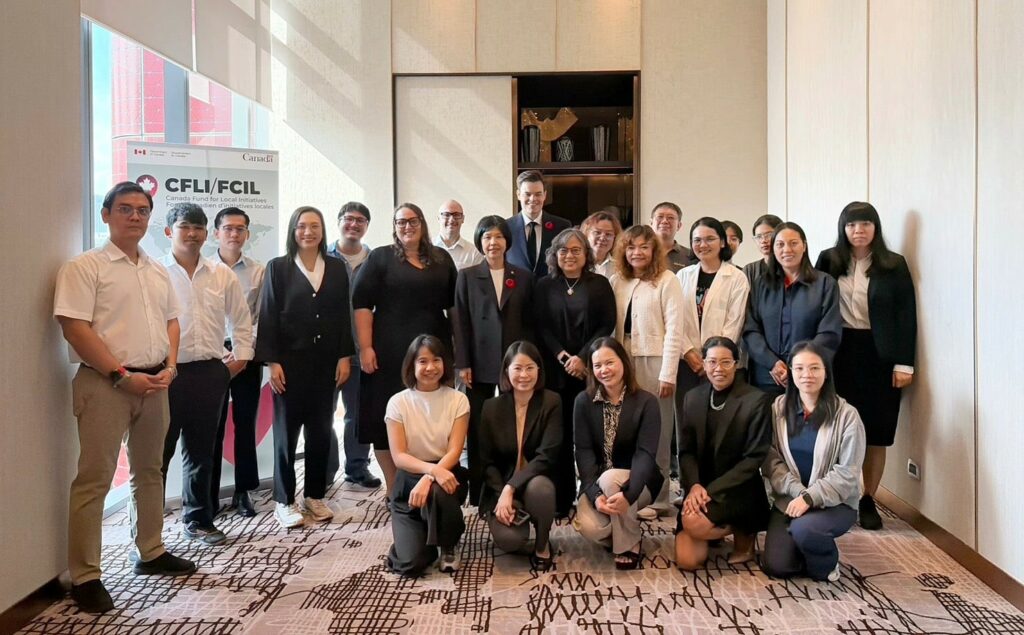
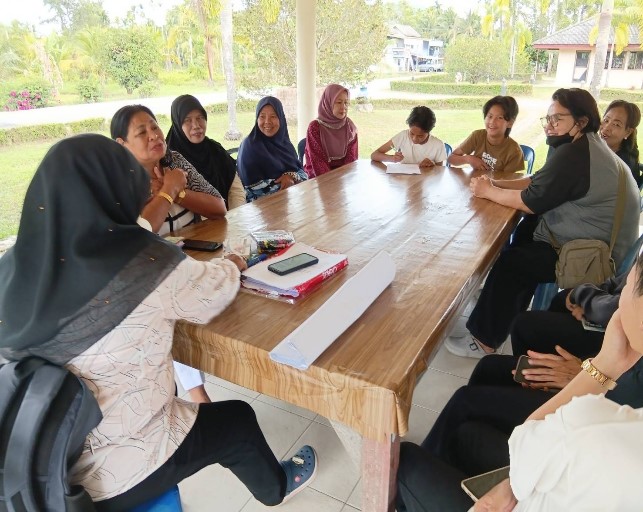
As a researcher entrusted by the Canada Fund for Local Initiatives (CFLI) 2026 to conduct the research project titled “Enhancing truth-telling and survivor-led justice in Thailand’s southern border provinces, mobilizing women and youth to heal communities affected by two decades of armed violence” that aim to create a platform for communicating the stories and collective power of “women” in the Deep South of Thailand through their community-led initiatives. This project follows their participation in the workshop “Truth-telling / Connected Dialogue: Empowering Conversations for Peace in the Southern Border Provinces,” held from December 19–21, 2025, in Nakhon Si Thammarat. The workshop aimed to develop the concepts, skills, and tools necessary for these women to facilitate “Connected Dialogue” and “document” community narratives, creating safe spaces for mutual exchange and empowerment. This endeavor aligns with the workshop’s motto: “Connected Dialogue: Building Trust, Nurturing Confidence, and Speaking the Truth in Safety.”
The Unrecorded Voices: The Power of Women and Youth as "Connectors" Building Peace from the Grassroots
Amidst over two decades of protracted violent conflict in the Southern Border Provinces, “the truth” is often told solely through the lens of national security and central policy. This perspective often overlooks the subtle voices of those living through “Slow Violence” in the region—ranging from quality-of-life issues and economic inequality to education gaps, discrimination, and gender-based obstacles.
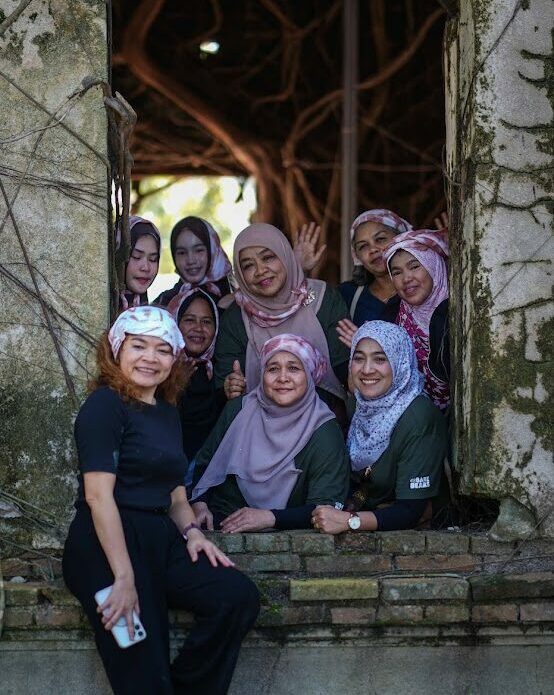
While women and youth are the primary groups affected, they serve as the most vital “Connectors” in weaving trust and restoring relationships within the community. This Participatory Action Research project, supported by CFLI, does not view them merely as “victims” but firmly believes in their potential as “Survivors with Agency.” We strive to transform “silence” into a “creative force” through a community-driven Truth-telling process. By breaking down walls of mistrust and building safe spaces for intergenerational and interfaith communication, we believe that the most sustainable peace is one designed and woven by those who truly understand the vulnerabilities of their own community.
Why Must We Share These Stories with the Public?
By showcasing the strength of women and youth networks that have transcended the impacts of direct and indirect violence, we highlight their leadership in healing and fostering multicultural understanding as a model for other conflict zones.
Data from this research provides a vital database reflecting the social and emotional dimensions of the people. This ensures that policymakers not only recognize but act upon the necessity of women’s participation at all levels, in accordance with the United Nations “Women, Peace, and Security” (WPS) framework, leading to a more sustainable peace process