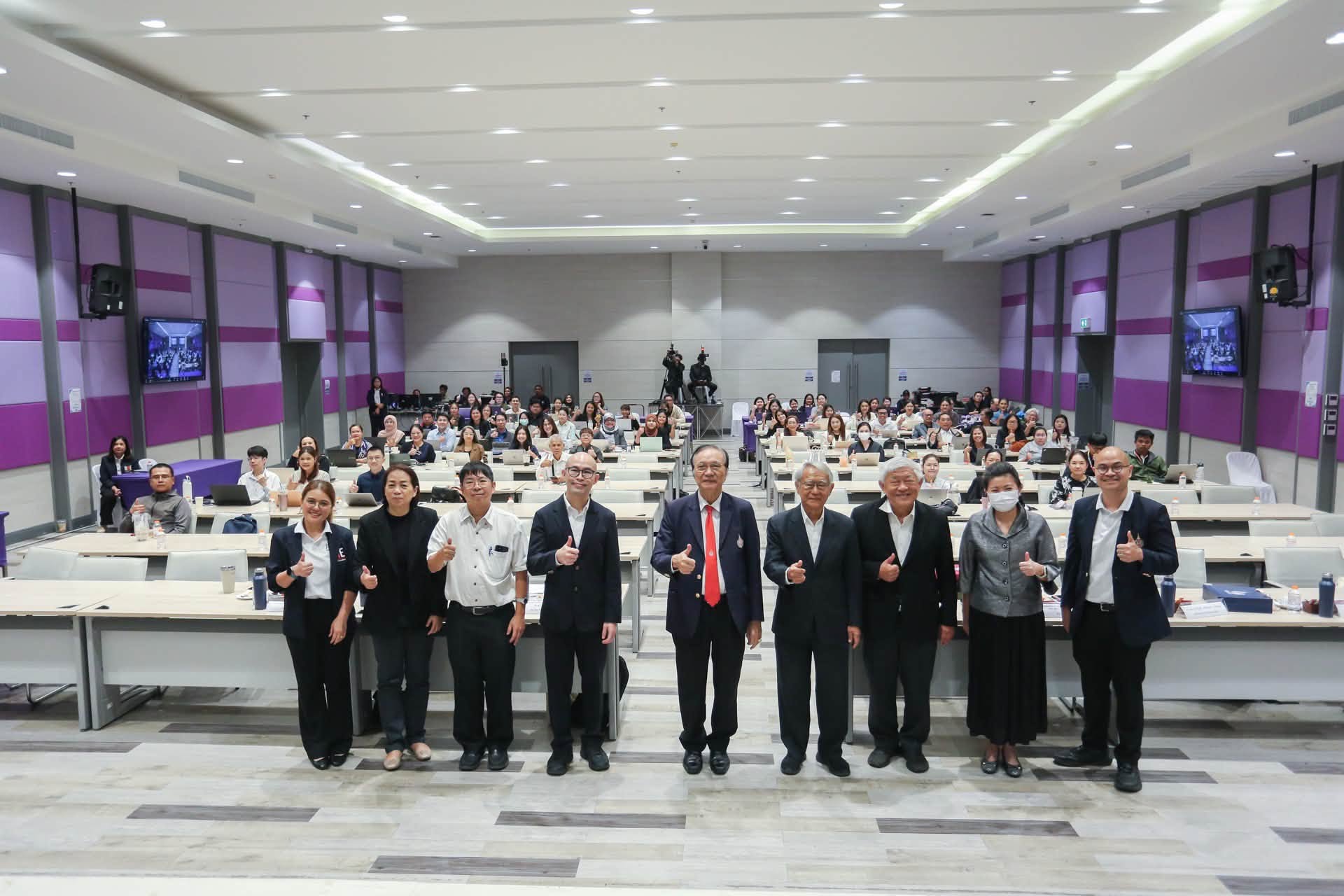
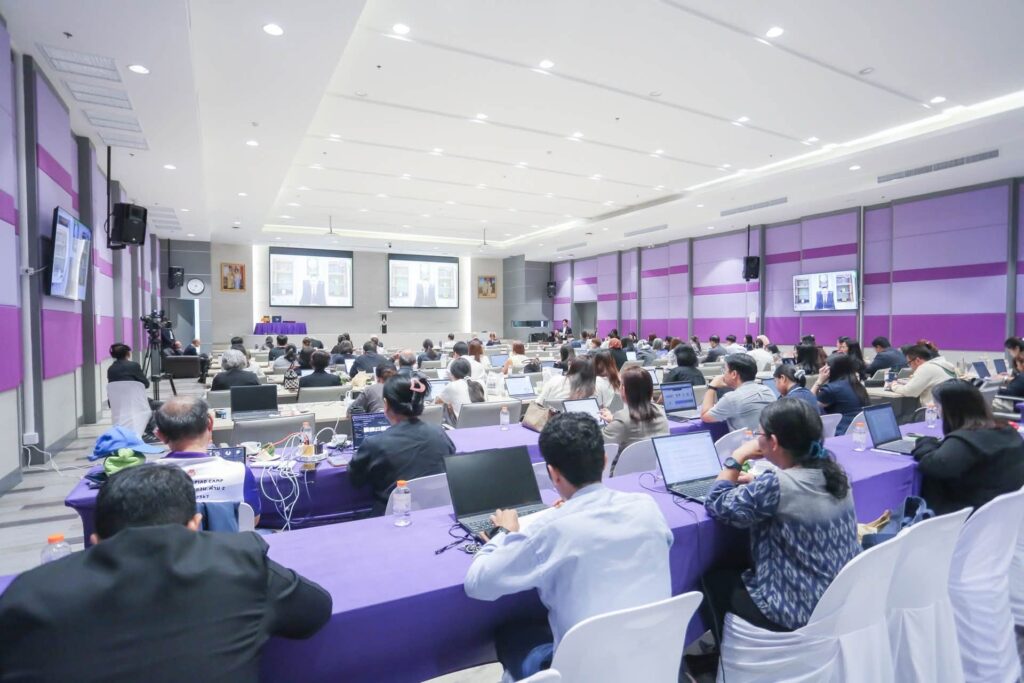
On October 16, 2026, the National Research Council of Thailand (NRCT), in collaboration with the Research Quality and Ethics Development Division of the National Science and Technology Development Agency (NSTDA) and Walailak University, organized the 4th Research Integrity Training at Phattharathammaphorn Meeting Room, 9th Floor, Building B, Walailak University Hospital, and via online platforms. The training aimed to strengthen knowledge, understanding, and awareness of research integrity among research personnel at all levels, fostering a culture of transparency, honesty, and accountability to support the sustainable improvement of research quality in Thailand.
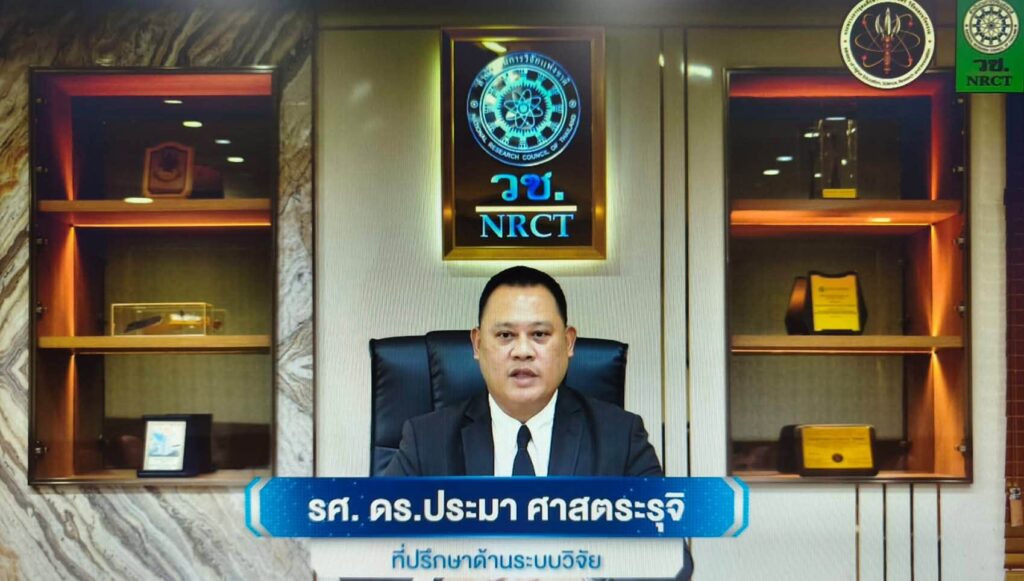
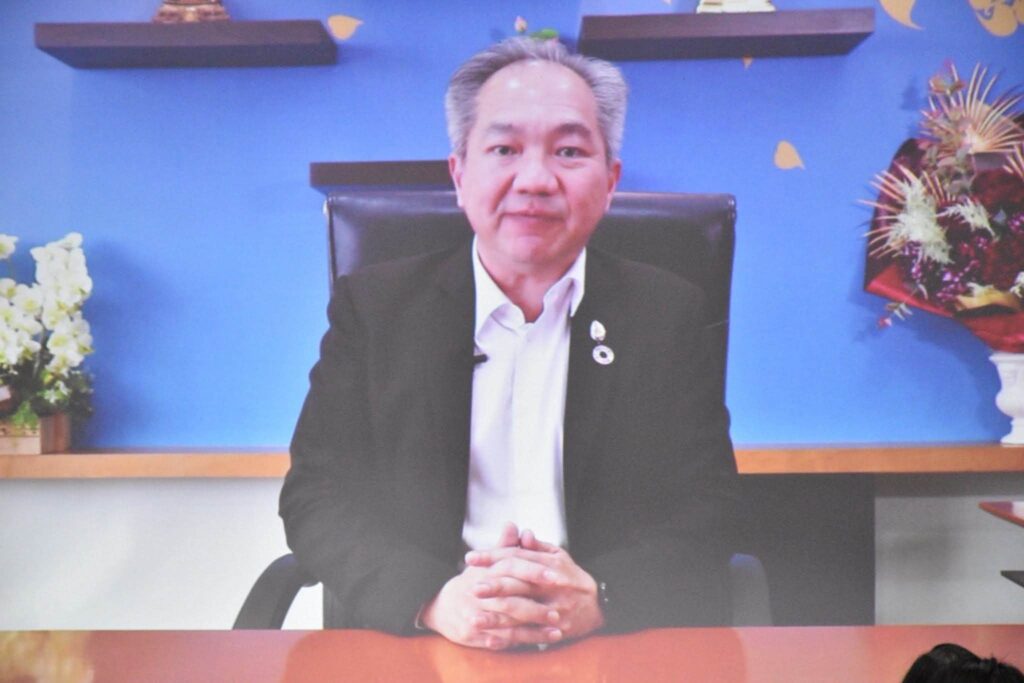
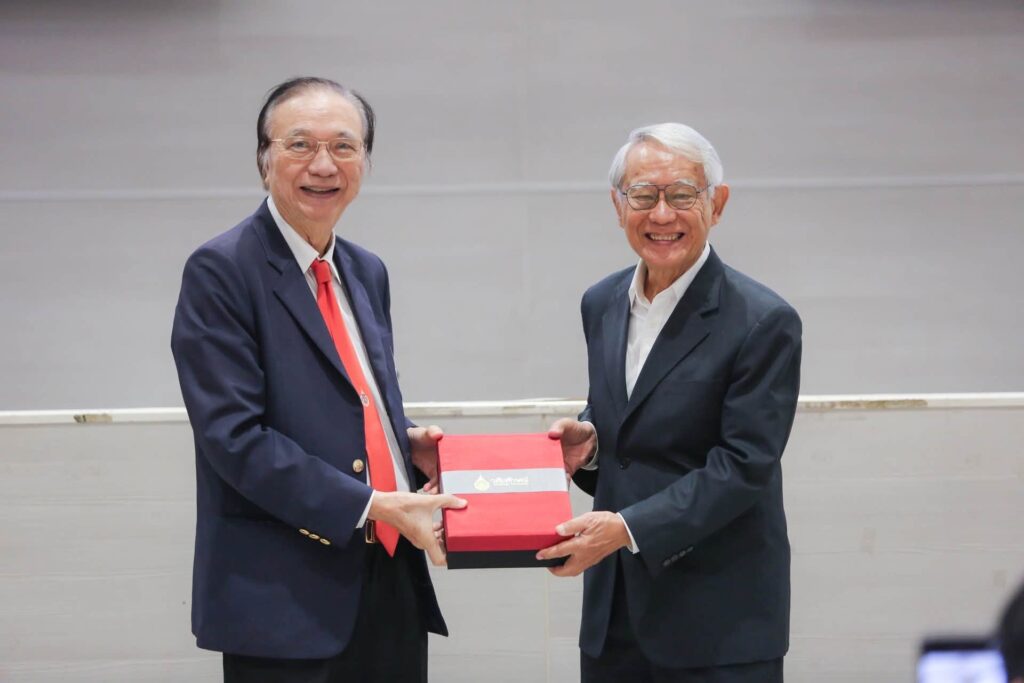
The opening ceremony was presided over by Associate Professor Dr. Prama Sastraruji, Research System Advisor at the NRCT, and Professor Dr. Sukit Limpijumnong, President of the NSTDA.
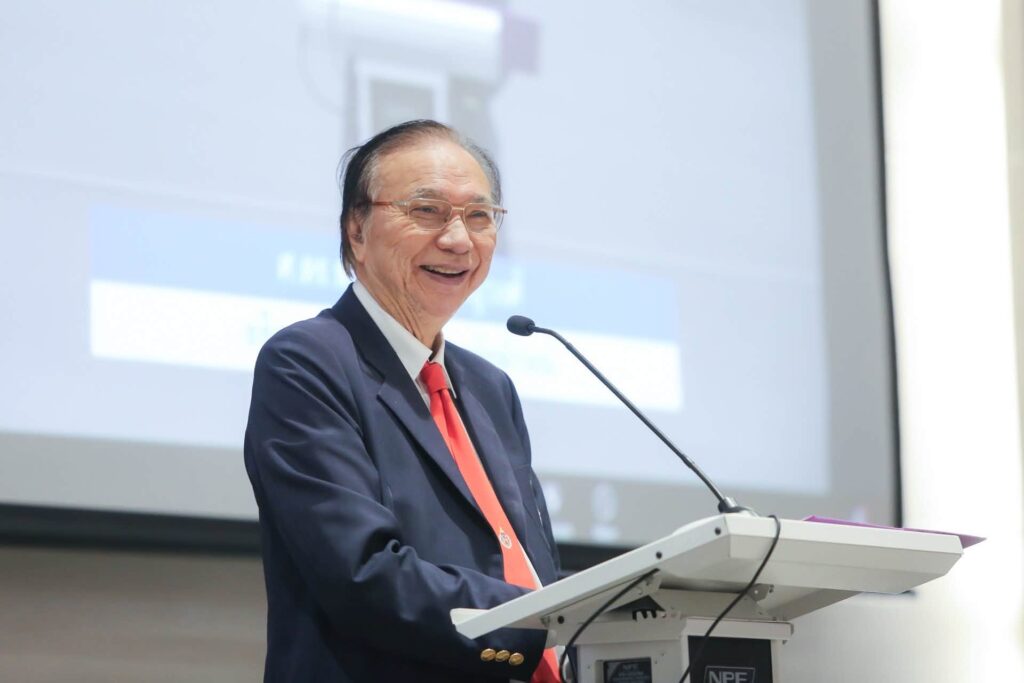
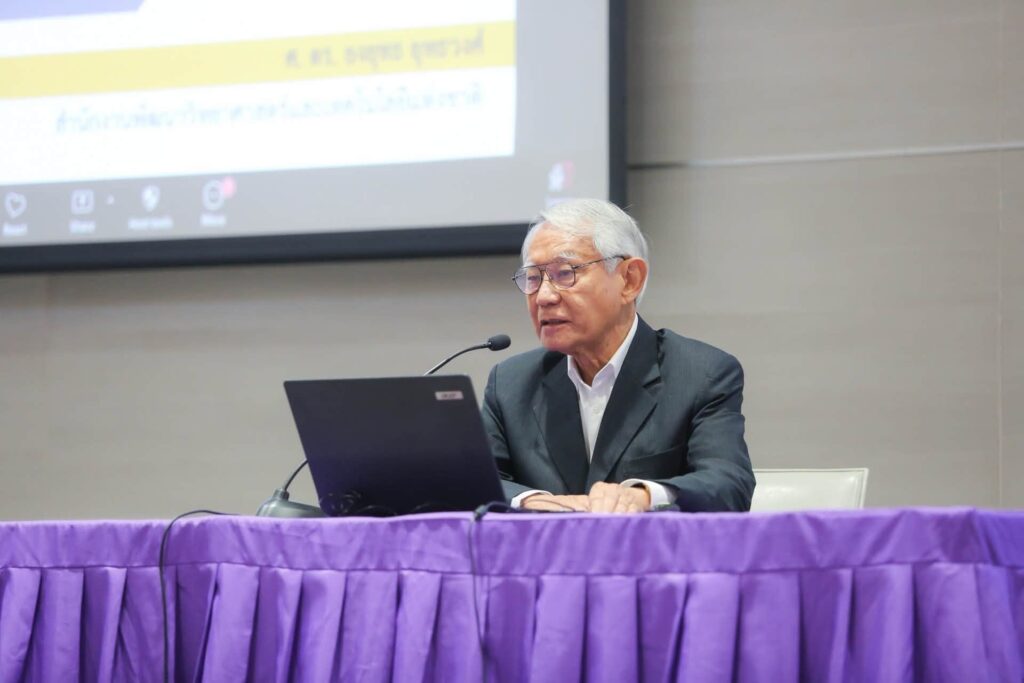
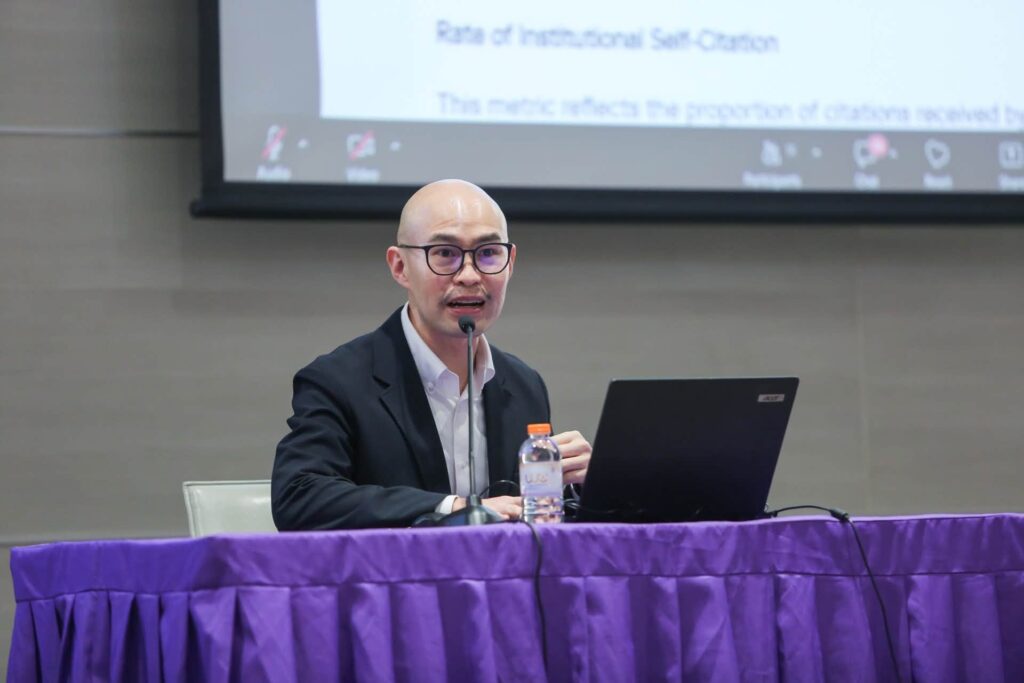
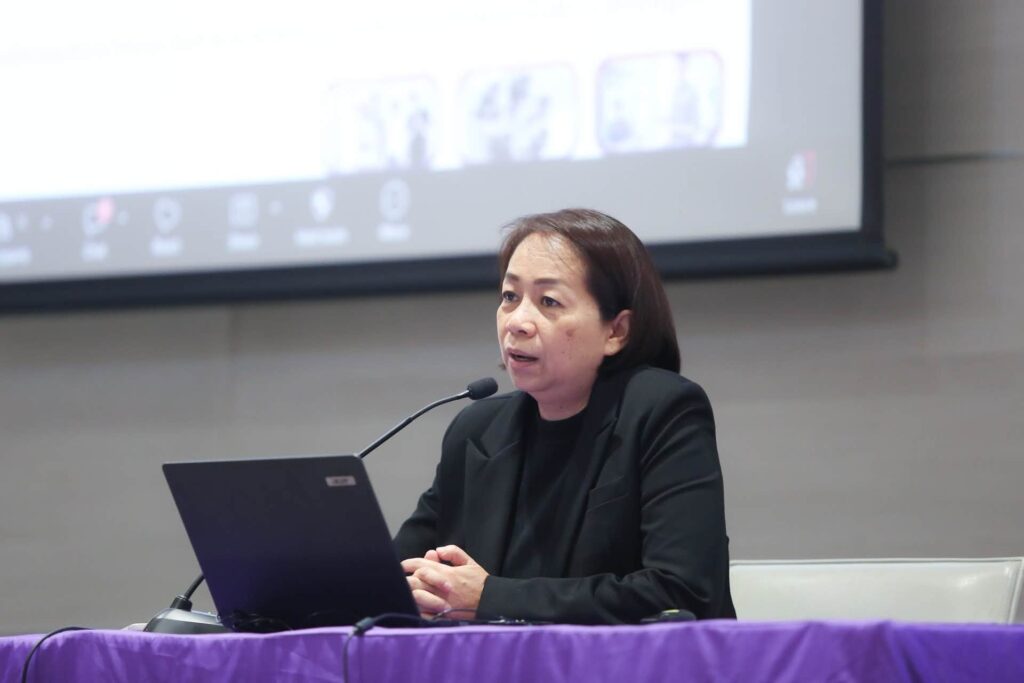
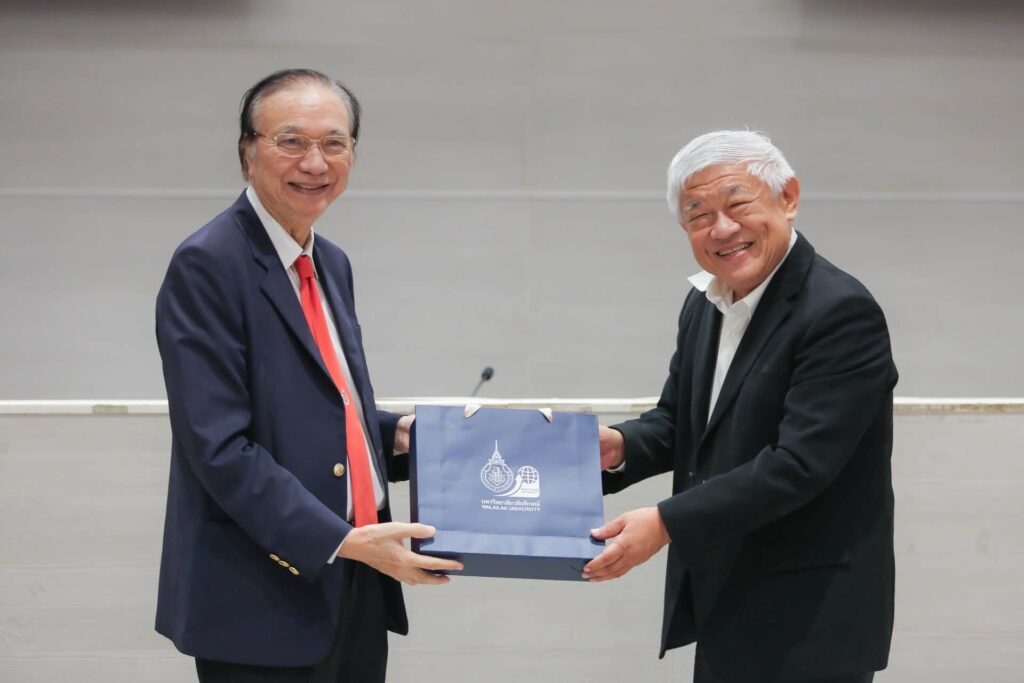
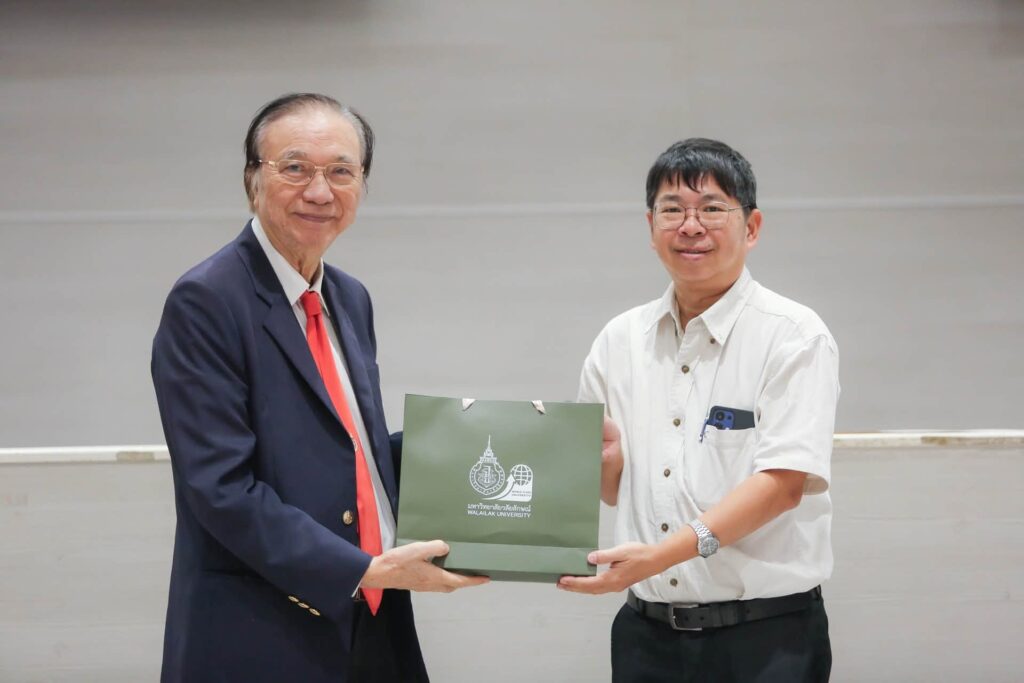
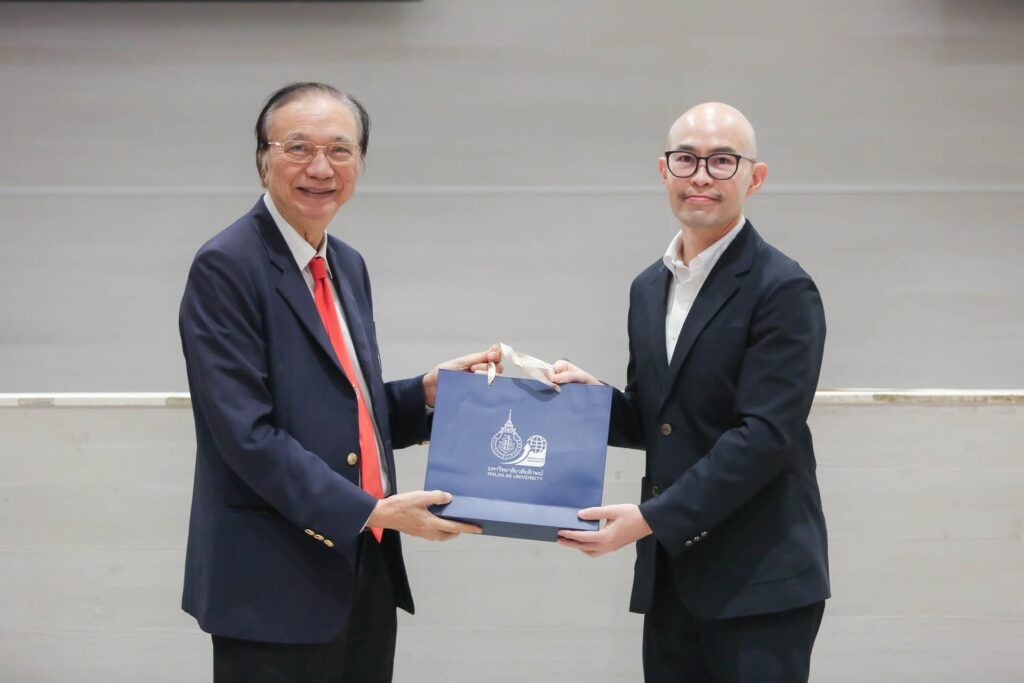
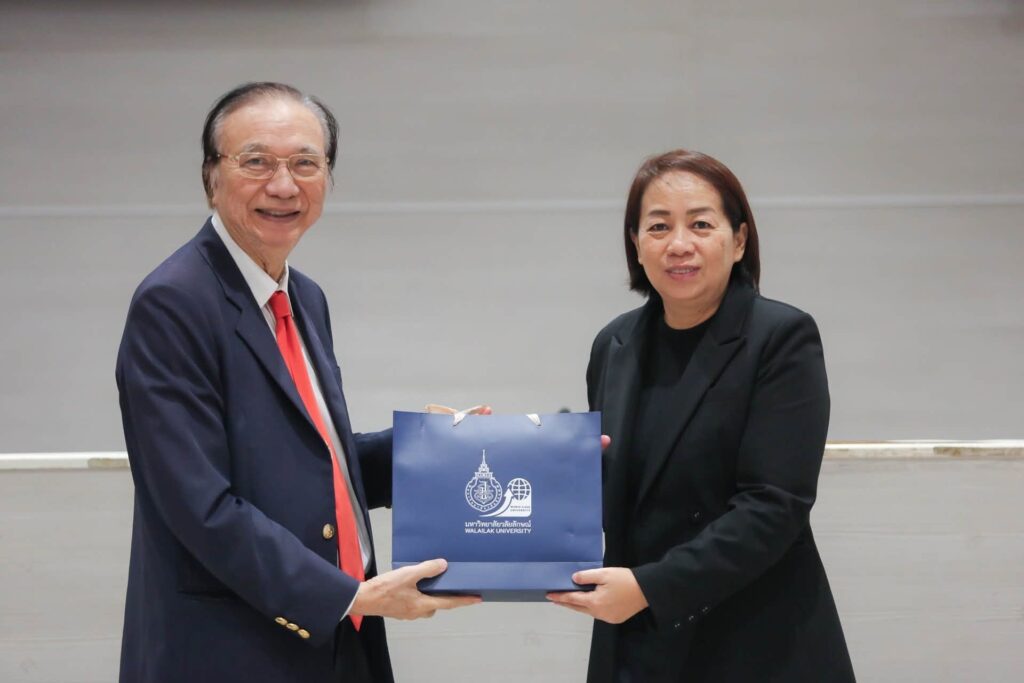
The welcome address was delivered by Professor Dr. Sombat Thamrongthanyawong, President of Walailak University. The training featured distinguished experts in research integrity, including Professor Emeritus Dr. Yongyuth Yuthavong of the NSTDA; Associate Professor Dr. Songpan Jermprayong of the Faculty of Arts, Chulalongkorn University; Professor Dr. Tirayut Vilaivan of the Faculty of Science, Chulalongkorn University; Professor Dr. Prasit Palittapongarnpim of the Faculty of Science, Mahidol University; and Dr. Panarat Panasjutabool of the Research Standards Division and the Institute for the Development of Animal Care and Use for Scientific Purposes, NRCT. The speakers shared their expertise on various aspects of research integrity and responsible research practices.
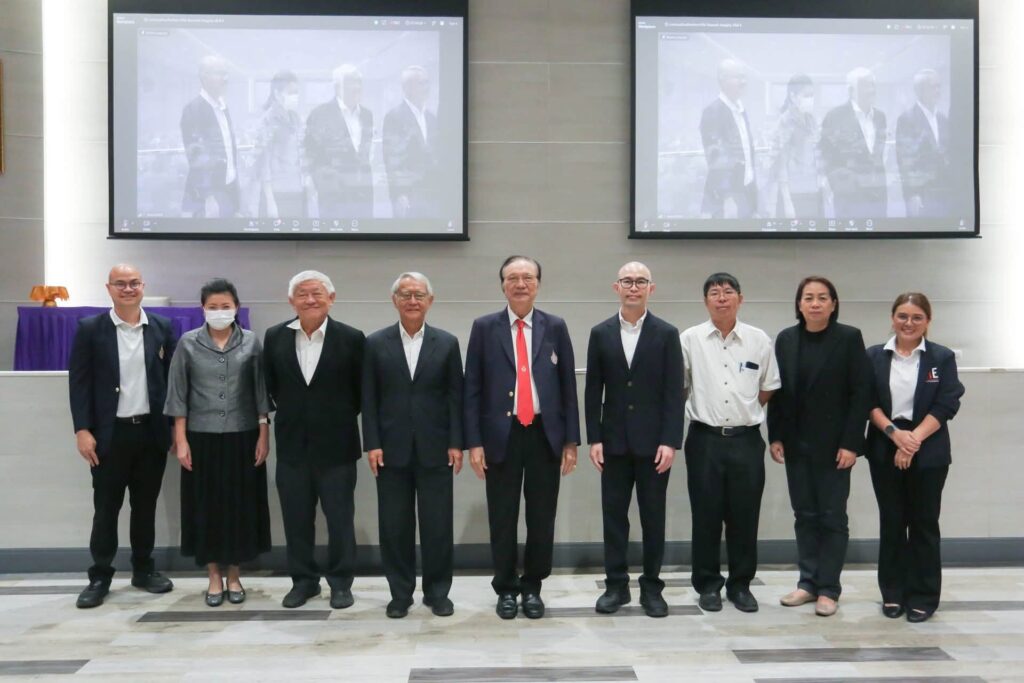
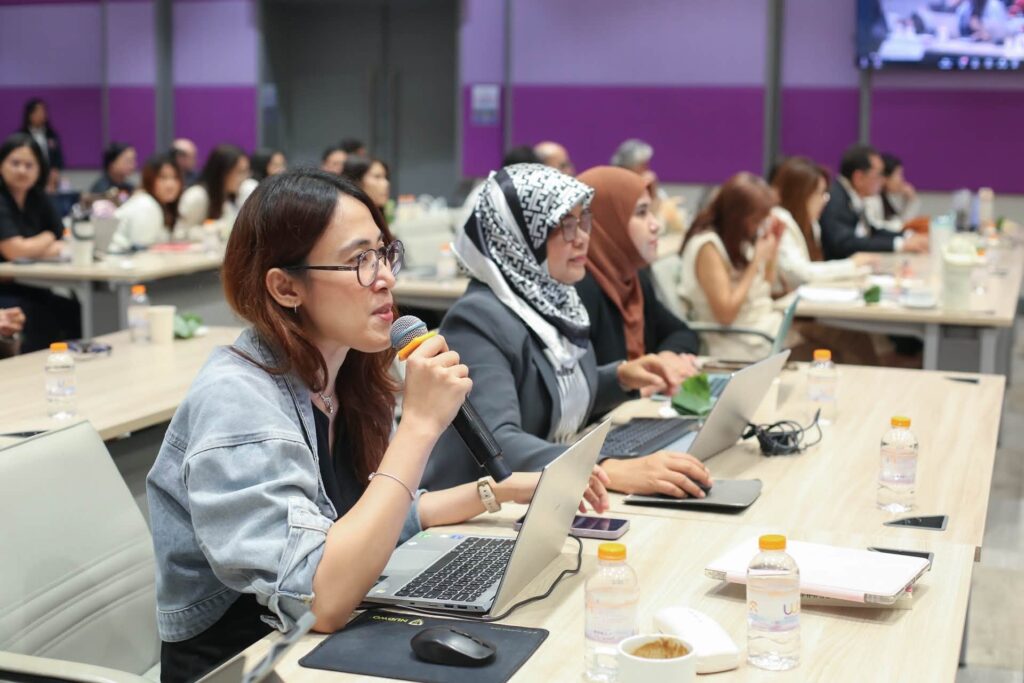
The event provided an important platform for disseminating knowledge on research integrity and addressing emerging challenges, particularly the ethical use of artificial intelligence (AI) in research. It also promoted access to research knowledge and expertise among universities across different regions of Thailand, supporting the development of research systems and ethical practices aligned with international standards. Through discussions and question-and-answer sessions, participants had opportunities to exchange perspectives, share recommendations, and learn about good practices directly from the experts.
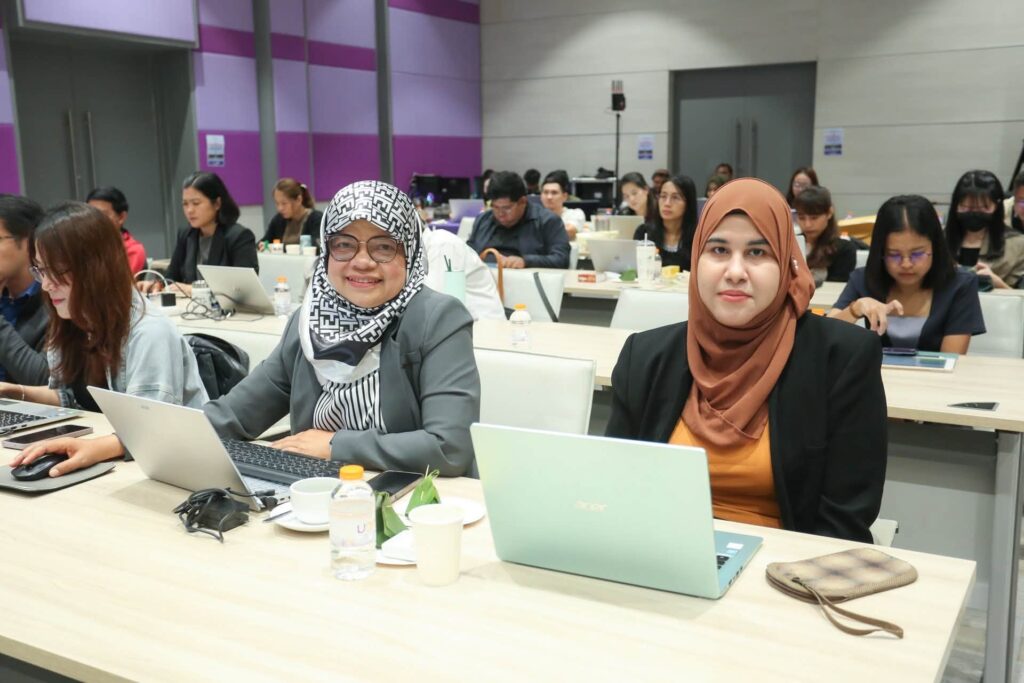
A total of 2,200 participants registered for the onsite and online training. Participants included executives from various organizations, lecturers, researchers, research assistants, research support personnel, university students, and members of the public interested in research integrity.
The training reaffirmed the importance of research integrity as a foundation for credible, transparent, and responsible research. It also highlighted the need to strengthen ethical awareness and promote the responsible use of emerging technologies to ensure that research maintains high standards of quality, accountability, and public trust.
Written by: Research and Innovation Institute of Excellence
📅October 16, 2026
Leave a Reply